
My Garage
My Account
Cart
Genuine 1993 Chevrolet Beretta Cylinder Head
Head- Select Vehicle by Model
- Select Vehicle by VIN
Select Vehicle by Model
orMake
Model
Year
Select Vehicle by VIN
For the most accurate results, select vehicle by your VIN (Vehicle Identification Number).
3 Cylinder Heads found
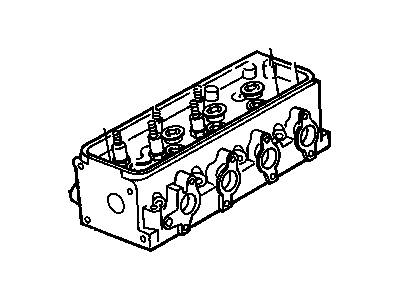
1993 Chevrolet Beretta Cylinder Head
Part Number: 12360424$1015.35 MSRP: $1303.23You Save: $287.88 (23%)Ships in 1-3 Business DaysProduct Specifications- Other Name: Head, Engine Cylinder; Cylinder Head
- Item Weight: 30.60 Pounds
- Item Dimensions: 21.8 x 8.8 x 6.6 inches
- Condition: New
- Fitment Type: Direct Replacement
- SKU: 12360424
- Warranty: This genuine part is guaranteed by GM's factory warranty.
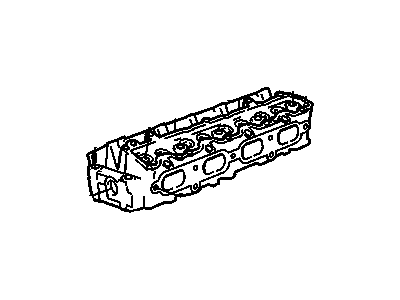 Product Specifications
- Other Name: Head Assembly, Cyl (Machining); Cylinder Head
- Item Weight: 22.10 Pounds
- Item Dimensions: 23.2 x 8.2 x 5.5 inches
- Condition: New
- Fitment Type: Direct Replacement
- SKU: 24570716
- Warranty: This genuine part is guaranteed by GM's factory warranty.
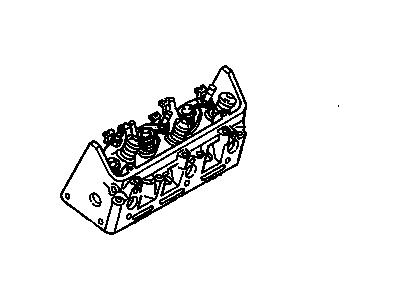 Product Specifications
- Other Name: Head Assembly, Cyl ; Head, Engine Cylinder; Cylinder Head
- Replaces: 10048649
- Item Weight: 13.00 Pounds
- Item Dimensions: 16.2 x 7.0 x 7.1 inches
- Condition: New
- Fitment Type: Direct Replacement
- Require Quantity: 2
- SKU: 12575059
- Warranty: This genuine part is guaranteed by GM's factory warranty.
1993 Chevrolet Beretta Cylinder Head
We are your prime source for competitively priced and high-quality OEM 1993 Chevrolet Beretta Cylinder Head. We provide you with parts that will allow you to save a lot of money without sacrificing quality. All our OEM parts are backed by the manufacturer's warranty and shipped out at a swift rate.
1993 Chevrolet Beretta Cylinder Head Parts Questions & Experts Answers
- Q:What is the reassembly procedure for an Cylinder head after valve servicing on 1993 Chevrolet Beretta?Posted by Zac Y.A:Regardless of whether or not the head was sent to an automotive repair shop for valve servicing, it's important to ensure it's clean before beginning reassembly. If the head was sent out for valve servicing, the valves and related components will already be in place. Begin the reassembly procedure with installing the spring seats or valve rotators (if equipped) before the valve seals. Install new seals on each of the valve guides. Using a hammer and a deep socket or seal installation tool, gently tap each seal into place until it's completely seated on the guide. Don't twist or cock the seals during installation or they won't seal properly on the valve stems. Beginning at one end of the head, lubricate and install the first valve. Apply moly-base grease or clean engine oil to the valve stem. Position the valve springs (and shims, if used) over the valves. Compress the springs with a valve spring compressor and carefully install the keepers in the groove, then slowly release the compressor and make sure the keepers seat properly. Apply a small dab of grease to each keeper to hold it in place if necessary. Repeat the procedure for the remaining valves. Be sure to return the components to their original locations-don't mix them up! Check the installed valve spring height with a ruler graduated in 1/32-inch increments or a dial caliper. If the head was sent out for service work, the installed height should be correct. The measurement is taken from the top of each spring seat, rotator or top shim to the bottom of the retainer. If the height is greater than specified, shims can be added under the springs to correct it. Caution: Do not, under any circumstances, shim the springs to the point where the installed height is less than specified. Apply moly-base grease to the rocker arm faces and the pivot balls, then install the rocker arms and pivots on the cylinder head studs. If you're working on a Quad-4 engine, install the camshafts, lifters and housings on the head.Answered by GM Parts Specialist Julian / Apr 12, 2023
Related 1993 Chevrolet Beretta Parts
 1993 Chevrolet Beretta Rocker Arm
 1993 Chevrolet Beretta Rocker Shaft Spring Kit
 1993 Chevrolet Beretta Timing Cover
 1993 Chevrolet Beretta Camshaft
 1993 Chevrolet Beretta Intake Valve
 1993 Chevrolet Beretta Exhaust Valve