
My Garage
My Account
Cart
Genuine 1994 Chevrolet Beretta Headlight
Headlamp- Select Vehicle by Model
- Select Vehicle by VIN
Select Vehicle by Model
orMake
Model
Year
Select Vehicle by VIN
For the most accurate results, select vehicle by your VIN (Vehicle Identification Number).
6 Headlights found
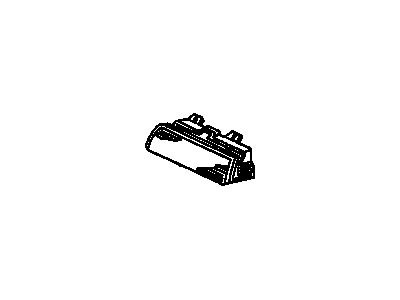
1994 Chevrolet Beretta Headlamp Assembly
Part Number: 16515224$91.85 MSRP: $175.95You Save: $84.10 (48%)Product Specifications- Other Name: Capsule, Capsule/Headlamp/Fog Lamp
- Item Weight: 4.60 Pounds
- Item Dimensions: 8.0 x 7.6 x 18.6 inches
- Condition: New
- Fitment Type: Direct Replacement
- SKU: 16515224
- Warranty: This genuine part is guaranteed by GM's factory warranty.
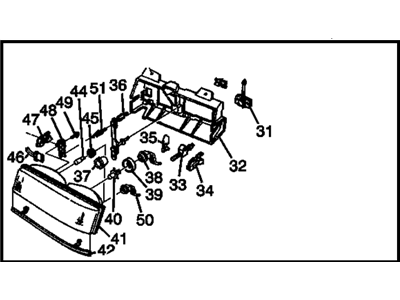
1994 Chevrolet Beretta Headlamp Assembly
Part Number: 16521474$38.96 MSRP: $306.72You Save: $267.76 (88%)Ships in 1-2 Business DaysProduct Specifications- Other Name: Headlamp, Capsule/Headlamp/Fog Lamp
- Item Weight: 5.90 Pounds
- Item Dimensions: 18.8 x 8.1 x 7.7 inches
- Condition: New
- Fitment Type: Direct Replacement
- SKU: 16521474
- Warranty: This genuine part is guaranteed by GM's factory warranty.
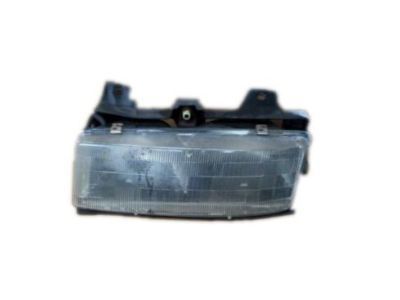
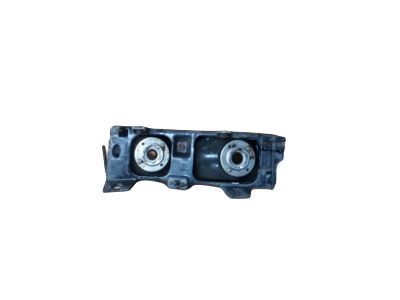
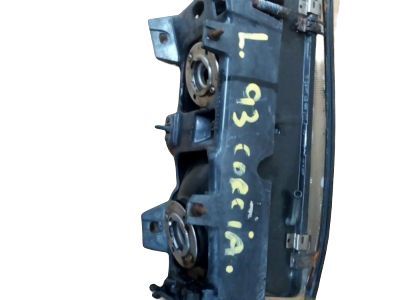
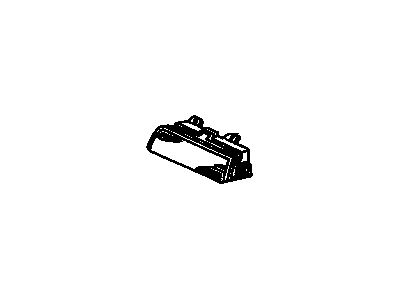 Product Specifications
- Other Name: Headlamp Asm
- Item Weight: 4.30 Pounds
- Item Dimensions: 8.0 x 7.7 x 18.6 inches
- Condition: New
- Fitment Type: Direct Replacement
- SKU: 16515223
- Warranty: This genuine part is guaranteed by GM's factory warranty.
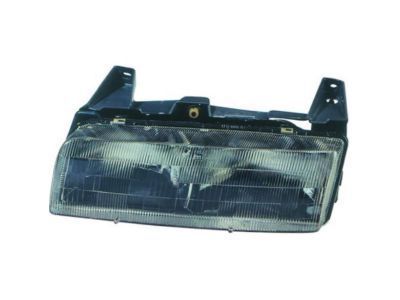
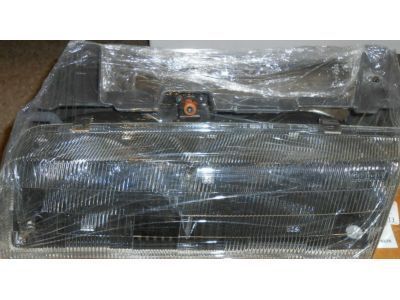
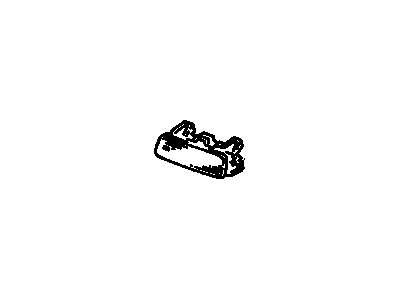 Product Specifications
- Other Name: Headlamp Asm
- Item Weight: 4.70 Pounds
- Item Dimensions: 18.4 x 9.4 x 8.1 inches
- Condition: New
- Fitment Type: Direct Replacement
- SKU: 16515225
- Warranty: This genuine part is guaranteed by GM's factory warranty.
- Product Specifications
- Other Name: Headlamp Asm ; Capsule, Capsule/Headlamp/Fog Lamp; Headlamp Assembly
- Item Weight: 4.60 Pounds
- Item Dimensions: 18.2 x 9.7 x 8.3 inches
- Condition: New
- Fitment Type: Direct Replacement
- SKU: 16515226
- Warranty: This genuine part is guaranteed by GM's factory warranty.
- Product Specifications
- Other Name: Headlamp Asm
- Item Weight: 5.60 Pounds
- Item Dimensions: 18.4 x 8.1 x 7.7 inches
- Condition: New
- Fitment Type: Direct Replacement
- SKU: 16521473
- Warranty: This genuine part is guaranteed by GM's factory warranty.
1994 Chevrolet Beretta Headlight
We are your prime source for competitively priced and high-quality OEM 1994 Chevrolet Beretta Headlight. We provide you with parts that will allow you to save a lot of money without sacrificing quality. All our OEM parts are backed by the manufacturer's warranty and shipped out at a swift rate.
1994 Chevrolet Beretta Headlight Parts Questions & Experts Answers
- Q:How should headlights be aimed correctly to avoid blinding oncoming drivers and ensure safety on 1994 Chevrolet Beretta?Posted by Nehemias M.A:They cannot are beam too bright that affect the drivers of the oncoming cars hence causing very serious accident or affect the vision of the driver. The aim should be checked every twelve months and any time there is a change of headlight or the front-end body work is changed. The adjustment process involves two spring-loaded screws: There has to be one which slides up and down and one which moves from side to side. This is easier in method than the previous one and needs a wall with no obstructions 25ft ahead of the vehicle, and the floor should be level. There are three distinct masking tape lines required for this job-vertical, the centerline of the wall and the centerline of each headlight-plus a horizontal tape line which may be easier to align with the car close to the wall. The car should be stationary and at a flat road with ample space and ideally half tank of fuel no excessive load. For low beam adjustment the position of the high-intensity zone must be set at two inches below the horizontal line, two inches right from the headlight vertical line For height adjustment of low beam adjusting the top screw can either be raised or lowered and for width adjustment a side screw should be used to adjust the beam to right or left. The high-intensity zone must be just below the horizontal line when the vehicle's high beams are on, though it is pretty much likely that one cannot aim at the two beams with a lot of precision. If the compromise is inevitable, ensure that low beams are allowed to operate to save the lives of the drivers. In my opinion, it is also worth staging the headlights' setting at the earliest possible opportunity by involving a professional.Answered by GM Parts Specialist Bob / Oct 22, 2025
Related 1994 Chevrolet Beretta Parts
 1994 Chevrolet Beretta Fog Light Bulb
 1994 Chevrolet Beretta Headlight Switch
 1994 Chevrolet Beretta Headlight Bulb
 1994 Chevrolet Beretta Fog Light
 1994 Chevrolet Beretta Body Wiring Harness Connector
 1994 Chevrolet Beretta Dome Light Connector
 1994 Chevrolet Beretta Igniter