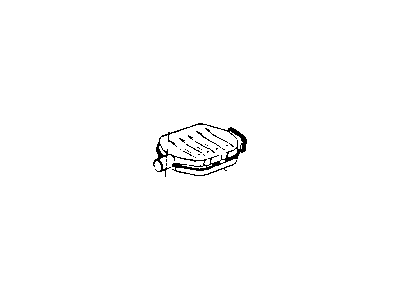
The catalytic converter is an exhaust system component used to control emission of hydrocarbon and carbon monoxide pollutants; the beads used in the current invention are coated with platinum and palladium. It is advisable to use unleaded gasoline only for vehicles fitted with this converter in order to reduce combustion chamber deposit and avoid lead poisoning of the catalyst. In general, there is no demand for frequent maintenance, but it is suggested to check the converter and other linkages of exhaust during other servicing work. Should an official inspection prove the converter to be ineffectual, then it may be replaced or the coated beads may be drained and replaced; and physical damage, or inadvertently using leaded fuel as possible causes of malfunction. Due to the working temperature the converter can generate, any work should only be done after allowing it to cool down while when lifting the vehicle care should be taken not to damage this part. It is unusual to remove it but if it is necessary the car has to be raised securely enough and the catalytic converter has to be cooled, it is then disconnected at the front and the rear section while if the fasteners are frozen they can be cut off. Removal is done in the exact process using new nuts and bolts after loosening them appropriately. There are two types of converters: monolith converters which if break have to be replaced while bead type converters that have a bead replacement plug. Bead replacement is commonly done with the converter disconnected, whereby the fill plug is unscrewed, the previous beads are drained and replaced with new beads and the system tapped to allow the beads to settle down. A reinstallation fill plug is used in a special operation as there are steps that require to be taken to ensure the seal of the speaker. After installation of the exhaust, engine should be started for the purpose of checking leakage.