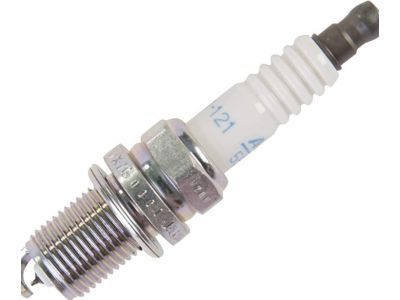
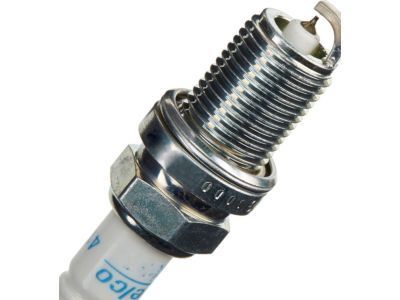
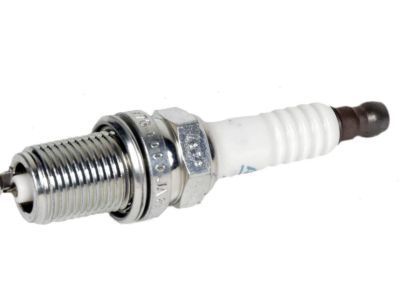
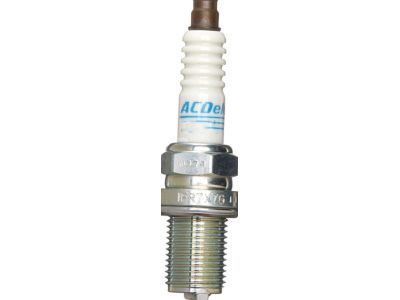
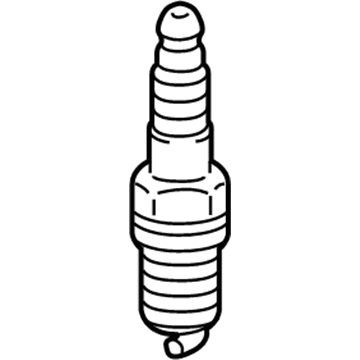
If the spark plugs have to be removed, do not do it when the engine is hot since this may lead to damage of the threads in the cylinder head. Loose the cable from the negative terminal and pull of the ignition coil assembly. On 2016 and later 1.4L engines only, remove the oil filler cap and engine cover fasteners, and then lift the engine cover and valve cover insulator off the valve cover, reinsert the oil filler cap. There are several other tools required for spark plug replacement; these are as follows: Spark plug socket fitted to a ratchet Various extensions Spark plug gap gauge For the torque plug wrench is optional. New plugs should be bought well ahead of its required usage, used as spares and installed one at a time with correct size of gap and type for the engine. Even when working on an aluminum engine, do not unscrew any plugs until the engine is cool enough, because the cylinder heads will be compromised if the plugs were pulled while the engine was still running. When waiting for the engine to cool, review the new plugs for flaws and align the gaps using the gauge with the right thickness to fit in between the electrodes of the plug and make the gap fit the specifications. If the gap is incorrect, very gently twist the side electrode with the adjuster in this way, do not break the porcelain insulator. If compressed air is available, use it to blow any dirt in the spark plug hole to avoid that it falls into the cylinder. Insert the spark plug socket over the spark plug and unscrew it anticlockwise if you require the use of ratchet and extension. Oppose the each old spark plug to the new spark plugs in order to determine the general running condition of the engine. Screw in a new plug into the hole until you can't anymore using your bare hands; use a torque wrench or a ratchet to tighten it well; use a rubber hose to thread it well lest it stick to thread. Same as above, do the same for the other plugs and then put the ignition coil pack into place.