
My Garage
My Account
Cart
This part fits
2004 Pontiac GTO GTO
Check another vehicle- Fitting Vehicle Options: VX(37)(MUST USE WITH NUT 92198272)
GM 95710160 Steering Linkage Tie Rod Outer End Assembly
2004-2006 Pontiac GTO
Customer Questions & Expert Answers (2)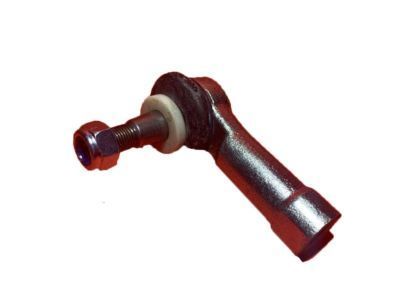
- Part DescriptionEND, Steering Tie Rod Outer
- PositionOuter
- Replaces
- ManufacturerGeneral Motors
- Require Quantity02
- Package Quantity1
This part fits
2004 Pontiac GTO GTO
Check another vehicle- Fitting Vehicle Options: VX(37)(MUST USE WITH NUT 92198272)
$77.03 MSRP: $120.12
You Save: $43.09 (36%)
Ships in 1-2 Business Days
1
- Related Parts
- Specifications
- Q&A
Product Specifications
Brand Genuine GM Manufacturer Part Number 95710160 Part Description END, Steering Tie Rod Outer Other Names Outer Tie Rod Item Dimensions 7.9 x 4.5 x 4.6 inches Item Weight 1.20 Pounds Position Outer Condition New Fitment Type Direct Replacement Replaces 92143049 Require Quantity 2 Manufacturer General Motors SKU 95710160 Shipping & Return Shipping Policy Return Policy Warning: California's Proposition 65Customer Questions & Expert Answers
- Q:I'm wondering if this is complete and correct part for my vehicle. Posted by GMPartsGiant Specialist
- A:You can Select Your Vehicle to check if 95710160 fits your vehicle.Posted by GMPartsGiant Specialist
- Installation and Repair Tips by AI Expert
- Removal steps 1. Park on a level surface, chock rear wheels, engage parking brake, and wear eye protection and gloves. 2. Loosen wheel lug nuts while the vehicle is on the ground. 3. Raise the vehicle and support it securely on jack stands at manufacturer-approved lift points. 4. Remove the wheel to access the steering/tie rod area. 5. If steering/airbag/vehicle electronics could be disturbed, disconnect the negative battery cable and follow vehicle recommendations before proceeding (procedures vary by design). 6. Visually locate the tie rod end; note that exact location and attachment method vary by design. 7. Mark the approximate position or count the number of turns of the tie rod end on the inner rod/adjuster sleeve to preserve toe setting, or measure the exposed thread length for reference. 8. Loosen the jam nut or clamp that secures the tie rod end to the inner rod/adjuster sleeve (designs vary). 9. Remove any cotter pin and the nut or fastener that secures the tie rod stud to the steering knuckle (fastener type varies). 10. Separate the tie rod stud from the knuckle using a puller tool or appropriate method; support the knuckle/hub to avoid stressing other components. 11. Unthread and remove the tie rod end from the inner rod/adjuster sleeve and set the assembly aside, retaining any hardware that will be reused. Installation steps 1. Compare the new tie rod end to the old one for fit and orientation before installing. 2. Thread the new tie rod end onto the inner rod/adjuster sleeve to the previously recorded position or the same number of turns; designs may vary-do not guess alignment. 3. Reconnect the tie rod stud to the steering knuckle and install the proper nut or fastener; if a castle nut/cotter pin is used, install a new cotter pin. 4. Tighten the jam nut or clamp to secure the tie rod end on the inner rod; follow manufacturer torque specifications (do not invent values). 5. If the new part has a grease fitting, lubricate according to the part's requirements. 6. Reinstall the wheel, lower the vehicle, and torque the lug nuts to the vehicle manufacturer's specification. 7. Reconnect the negative battery cable if it was disconnected and follow any required recalibration procedures for steering/airbag/steering angle sensors (procedures vary). 8. Perform a careful road test to check steering feel, free play, noise, and vehicle tracking; arrange a professional wheel alignment as soon as possible. 9. After a short test drive, recheck fasteners and cotter pins for security. Repair tip: Replace both tie rod ends if one shows significant wear, and always obtain a wheel alignment after steering-component replacement.
- Q:
Why choose GM Parts Giant
- Dedicated Service
Your complete satisfaction is our #1 goal
- Lowest Prices
Best deals on genuine OE parts from dealerships
- Fast Delivery
Orders are processed and delivered promptly