My Garage
My Account
Cart
Additional information needed to check if this part fits
2010 Chevrolet Aveo
Check another vehicle- Fitting Vehicle Options: T(48-69)(LXT)
GM 96537170 Filter
2009-2011 GM
Customer Questions & Expert Answers (1)
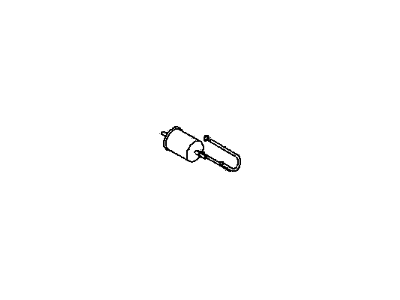
- Part DescriptionFilter, Engine Fuel Filter
- ManufacturerGeneral Motors
Additional information needed to check if this part fits
2010 Chevrolet Aveo
Check another vehicle- Fitting Vehicle Options: T(48-69)(LXT)
$17.24 MSRP: $32.52
You Save: $15.28 (47%)
Ships in 1-3 Business Days
1
- Related Parts
- Specifications
- Q&A
Product Specifications
Brand Genuine GM Manufacturer Part Number 96537170 Part Description Filter; Filter, Engine Fuel Filter Item Dimensions 8.4 x 3.2 x 3.0 inches Item Weight 0.60 Pounds Condition New Fitment Type Direct Replacement Manufacturer General Motors SKU 96537170 Warranty This genuine GM part is guaranteed by GM's factory warranty. Shipping & Return Shipping Policy Return Policy Warning: California's Proposition 65Customer Questions & Expert Answers
- Installation & Repair Tips by AI Expert
- Removal steps 1. Park on level ground, set parking brake, wear safety glasses and gloves, and keep a fire extinguisher nearby. 2. Relieve fuel system pressure using the manufacturer's or a safe method (methods vary - e.g., fuel pump fuse removal and crank, Schrader valve, or shop tool); do not disconnect lines under pressure. 3. Disconnect the negative battery terminal to disable electrical circuits. 4. Support the vehicle securely if access requires going underneath (jack stands on solid supports). 5. Place a drip tray and absorbent pads beneath the filter area to catch spilled fuel. 6. Clean around the filter and fittings to prevent dirt entry when lines are removed. 7. Disconnect electrical connectors or fuel pump wiring at the filter assembly if present (some designs have none). 8. Detach fuel lines using the appropriate tool for the connector type (quick-connect, clamp, or threaded); expect some fuel spillage and cap or plug open lines immediately. 9. Remove any retaining clips, straps, or brackets holding the filter; note the filter orientation (flow direction) before removing. 10. Extract the filter and dispose of it and any drained fuel in accordance with local regulations. Installation steps 1. Verify the replacement filter matches the old unit and note the flow direction arrow before installing. 2. Replace any rubber hoses, O-rings, or seals if they show wear; lightly lubricate new O-rings with clean fuel or recommended lubricant. 3. Position the new filter with the correct inlet/outlet orientation and secure it with the original bracket or fastener (fastener torque varies by design). 4. Reconnect fuel lines until they fully engage and any quick-connects click; ensure clamps are properly seated on hose types. 5. Reattach any electrical connectors and reinstall any shields or heat protection removed earlier. 6. Remove drip trays and any tools, then reconnect the negative battery terminal. 7. Prime the fuel system by turning the ignition to ON (do not start) several times to allow the pump to pressurize the system; methods may vary. 8. Inspect all connections for leaks with the engine cranking or running at idle; correct any leaks before driving. 9. Start the engine, verify normal operation, and perform a short road test while rechecking for leaks and proper drivability. 10. Dispose of the old filter and contaminated materials according to regulations. Repair tip: Before disconnecting lines, mark which line is inlet and outlet and take a photo - it prevents incorrect reinstallation.