
My Garage
My Account
Cart
Genuine Chevrolet Blazer Pushrod
Valve Push Rod- Select Vehicle by Model
- Select Vehicle by VIN
Select Vehicle by Model
orMake
Model
Year
Select Vehicle by VIN
For the most accurate results, select vehicle by your VIN (Vehicle Identification Number).
9 Pushrods found
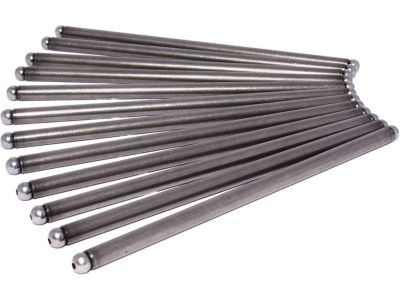
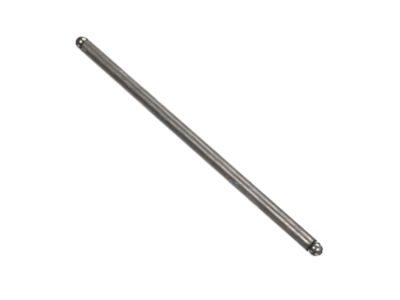
Chevrolet Blazer Rod Assembly, Valve Push
Part Number: 10241740$16.27 MSRP: $25.03You Save: $8.76 (35%)Ships in 1-3 Business Days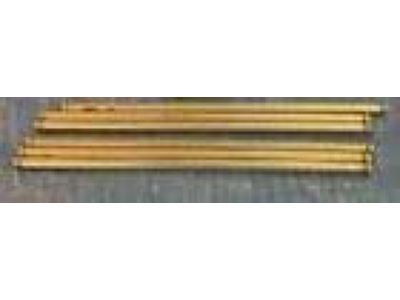
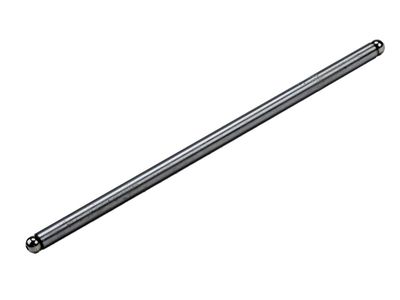
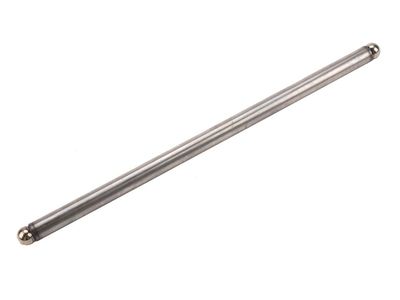
Chevrolet Blazer Rod,Intake Valve Push
Part Number: 10106423$12.51 MSRP: $19.24You Save: $6.73 (35%)Ships in 1-3 Business Days
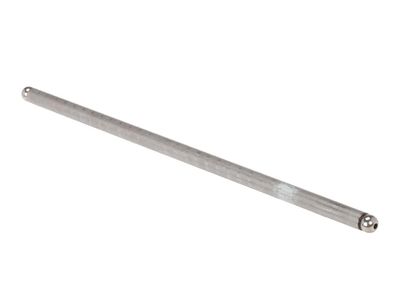
Chevrolet Blazer Rod Assembly, Valve Push
Part Number: 10106425$9.54 MSRP: $14.68You Save: $5.14 (36%)Ships in 1-3 Business Days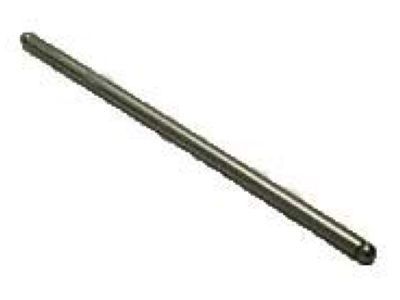
Chevrolet Blazer Rod Assembly, Valve Push
Part Number: 14095256$17.13 MSRP: $26.37You Save: $9.24 (36%)Ships in 1-3 Business Days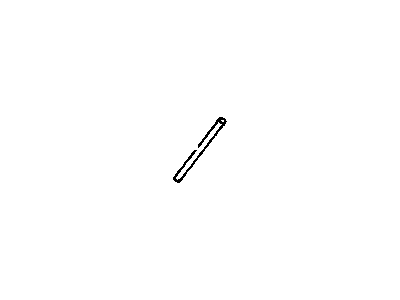
Chevrolet Blazer Rod,Valve Push
Part Number: 10046173$13.05 MSRP: $19.20You Save: $6.15 (33%)Ships in 1-3 Business Days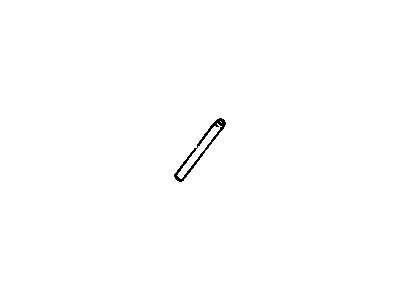
Chevrolet Blazer Rod Assembly, Valve Push
Part Number: 14075629$9.37 MSRP: $13.63You Save: $4.26 (32%)Ships in 1-2 Business Days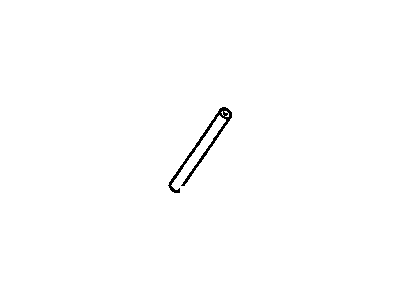
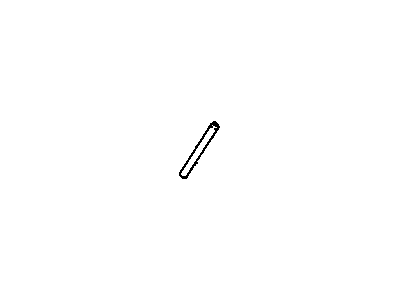
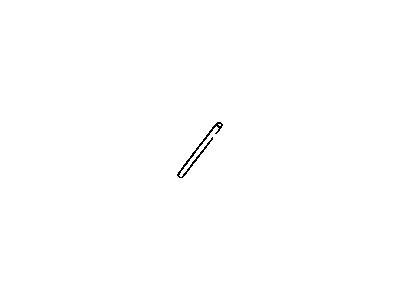
Chevrolet Blazer Pushrod
The basic function of the Chevrolet Blazer Pushrod is to transmit the motion from the camshaft to the rocker arm to open and close the valves at just the right times to keep the combustion process healthy and the power steady. In the conventional overhead valve design applied in many Blazer engines, the cam is low in the block, lifters ride the lobes of the cam, Pushrod lines carry their lift up, and rocker arms are applied to swing the intake and exhaust valves. Because the Pushrod has to travel the full height of the engine, if there is wear or excess valve lash, it can flex on it, creating ticking noises, misfires, or, if piston and valve finally collide, a bent Pushrod. Bent pieces can be identified by wiggling each rod under the valve cover, marking it, pulling it out, and replacing it, but Chevrolet owners are reminded that ignoring the underlying cause invites repeat trouble across other parts of the valvetrain. Overhead cam configurations eliminate the Pushrod entirely by placing the cam on the cylinder head, but most Blazer models have remained with the tried and true OHV assembly because it allows the engine height to be kept compact and provides strong low-end torque. Regular oil changes and proper valve spring pressure help any Chevrolet valve train avoid the lash growth that is the beginning of the failure chain.
Each OEM Chevrolet Blazer Pushrod we offer is competitively priced and comes with the assurance of the manufacturer's warranty for the part. Furthermore, we guarantee the speedy delivery of your orders right to your doorstep. Our hassle-free return policy is also in place for your peace of mind.
Chevrolet Blazer Pushrod Parts Questions & Experts Answers
- Q:How to remove the Pushrod and Rocker Arm on 4.3L V6 engine on Chevrolet Blazer?A:To remove the valve covers, first detach them from the cylinder heads. Proceed by loosening and removing rocker arm stud nuts, starting from the front of one cylinder head. Keep these nuts in separate containers that are labeled so you can put them back correctly. On 1998 models and prior ones, in case only pushrods have to be removed, loosen each nut just enough to enable you rotate the rocker arms out of the way for pushrod removal. Instead of using pivot balls, roller-rocker arms on model year 2000 and later are retained by bolts. Put away rocker arms and pivot balls with nuts for reinstallation later on. Take out pushrods and keep them apart to avoid mix up during installation utilizing a perforated cardboard box which allows organized storage. Examine each rocker arm for wear, cracks or any other damage focusing on areas where rocker arm faces contact with pushrods and valve stems. Make sure that hole at the pushrod end of each rocker arm is open and inspect rocker arm pivot area for wear, cracks or galling. In particular, replace all worn roller rocker arms along with new pivot balls on 2000 and newer models. Check whether there are cracks or excessive wear on pushrods by rolling them on a flat surface to see if they are bent. To install, lubricate lower end of every single pushrod using clean engine oil or moly-base grease; seat in their original lifter positions; apply moly-base grease to valve stems as well as pushrod ends before placing the rocker arms over studs. Install pivot balls and nuts making sure that flat side of each nut faces pivot ball. Tighten down the rocker arm nuts properly. Reverse order reassemble remaining components; start engine then check for valve cover leaks as well as valvetrain noise (Haines). Note too that most models do not require a valve adjustment except specific instructions provided here for valve adjustment on 1994 VIN Z engines including setting the engine to TDC, aligning timing marks, and adjusting rocker arm nuts for specified valves at TDC for each cylinder.
Related Chevrolet Blazer Parts
 Chevrolet Blazer Power Steering Pump
 Chevrolet Blazer Radiator
 Chevrolet Blazer Power Steering Hose
 Chevrolet Blazer Pilot Bearing
 Chevrolet Blazer Pressure Plate
 Chevrolet Blazer Radiator Cap
 Chevrolet Blazer PCV Valve
 Chevrolet Blazer PCV Valve Elbow
 Chevrolet Blazer PCV Valve Hose
 Chevrolet Blazer Piston