
My Garage
My Account
Cart
Genuine Chevrolet Express Brake Master Cylinder
- Select Vehicle by Model
- Select Vehicle by VIN
Select Vehicle by Model
orMake
Model
Year
Select Vehicle by VIN
For the most accurate results, select vehicle by your VIN (Vehicle Identification Number).
14 Brake Master Cylinders found
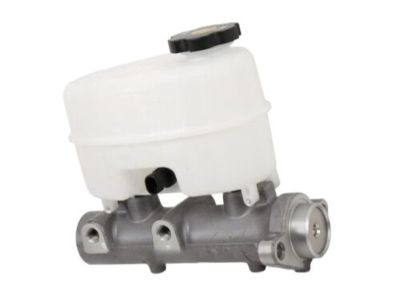
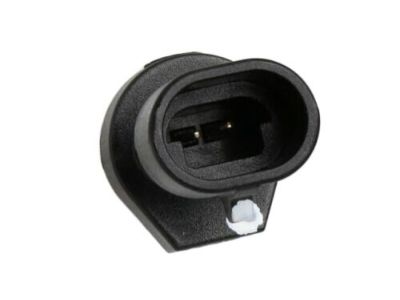

Chevrolet Express Brake Master Cylinder
Part Number: 19420962$181.79 MSRP: $357.49You Save: $175.70 (50%)Ships in 1-2 Business Days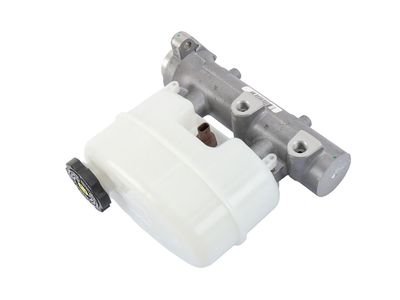
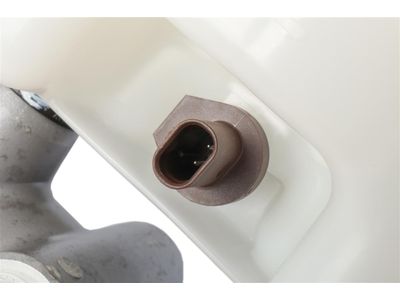
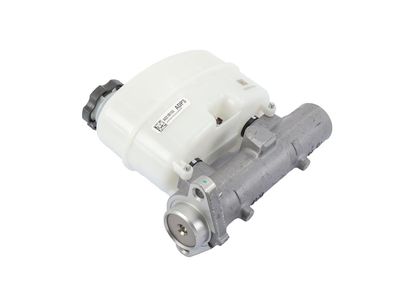
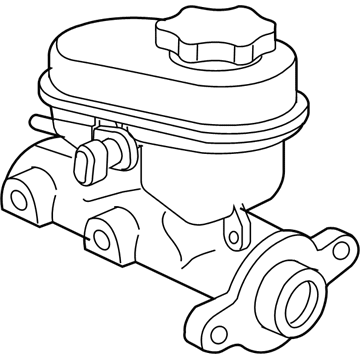
Chevrolet Express CYLINDER ASM-BRK MAS
Part Number: 85105169$147.92 MSRP: $279.10You Save: $131.18 (47%)Ships in 1-3 Business Days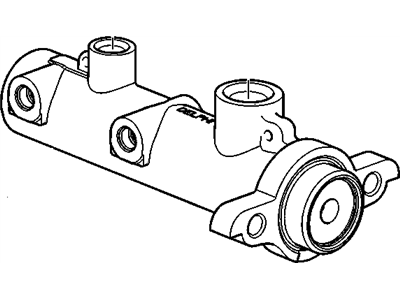
Chevrolet Express Brake Master Cylinder
Part Number: 19420963$223.81 MSRP: $432.51You Save: $208.70 (49%)Ships in 1 Business DayChevrolet Express Brake Master Cylinder
Part Number: 19420965$202.00 MSRP: $381.14You Save: $179.14 (47%)Ships in 1-2 Business Days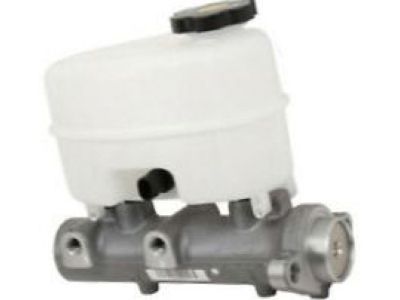
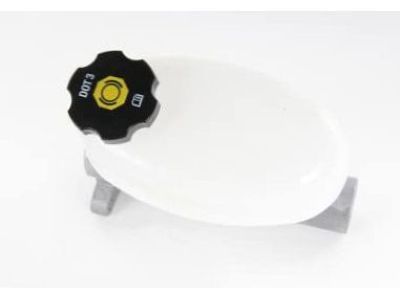
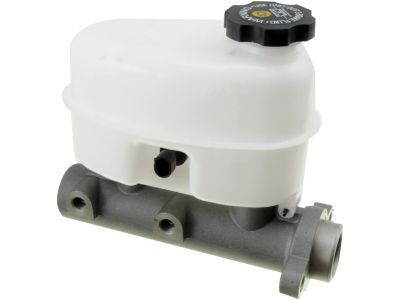
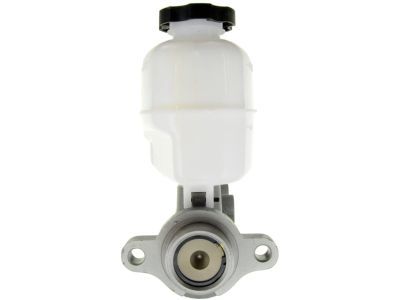
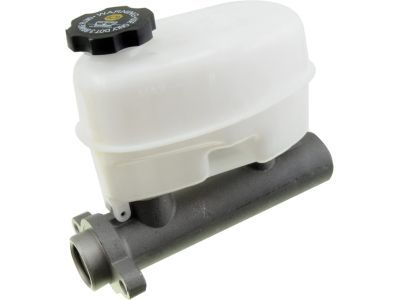
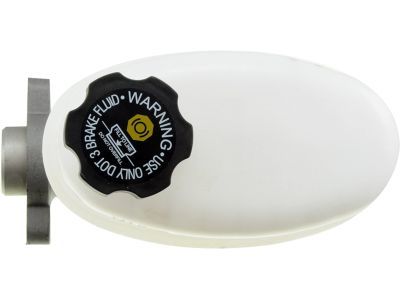
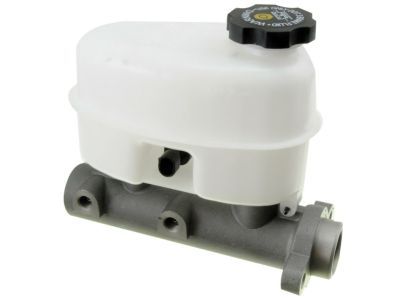
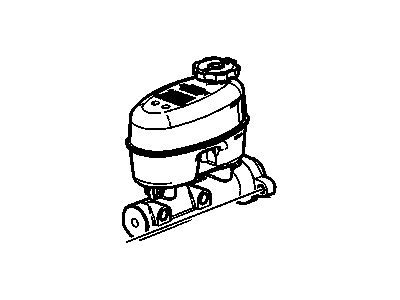
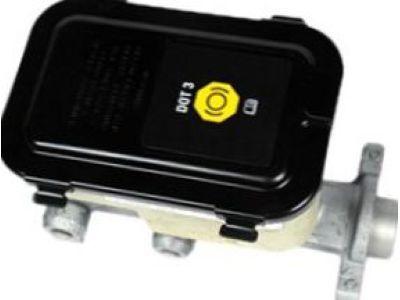
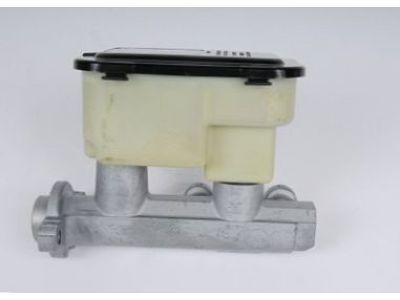
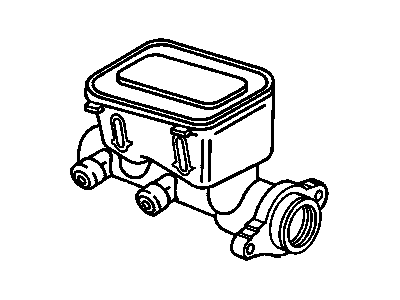
Chevrolet Express Brake Master Cylinder
Part Number: 19420993$152.65 MSRP: $273.08You Save: $120.43 (45%)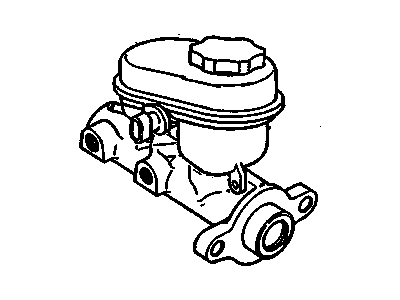
Chevrolet Express Brake Master Cylinder
The Chevrolet Express Brake Master Cylinder converts the driver's pedal pressure into hydraulic pressure that grips pads or shoes against wheels to provide control over stopping power. Housed in cast iron or aluminum, this unit contains twin pistons because of rules since 1967 that require dual circuits to be applied. Thus, if one of the hydraulic paths fails, the other slows the van. Pressing the brake pedal pushes a rod that moves the pistons forward, creating a build-up of pressure in the fluid, and a spring snaps them back when the pedal is lifted to keep the ports in the reservoir open for supply. Early designs applied an integral reservoir made of metal and held in place with a bail, but most later designs applied an external reservoir sealed by O-rings and twist caps, which allowed for easier fluid checks and reduced weight. Regular fluid changes help the Chevrolet unit to last, but the Express schedule recommends inspection when the Brake Master Cylinder cap is removed. Styles have similar protection against leaks, but moisture or age can cause corrosion on the bore or hardening on seals, causing a sinking pedal and the need to replace the Brake Master Cylinder. Drivers should keep an eye out for the presence of dampness where the Brake Master Cylinder meets the booster, as drips or bypassing is an indication that the Brake Master Cylinder is failing. Whether integral or remote-reservoir, every Chevrolet Express depends on this precise hydraulic pump to ensure confident.
Each OEM Chevrolet Express Brake Master Cylinder we offer is competitively priced and comes with the assurance of the manufacturer's warranty for the part. Furthermore, we guarantee the speedy delivery of your orders right to your doorstep. Our hassle-free return policy is also in place for your peace of mind.
Chevrolet Express Brake Master Cylinder Parts Questions & Experts Answers
- Q:How to remove and install a brake master cylinder on Chevrolet Express?A:The brake master cylinder is located in the engine compartment and mounted on the power Brake Booster. Remove the brake master cylinder by first extracting as much fluid from the reservoir as possible using a syringe or turkey baster. Place rags under fluid fittings and get caps or plastic bags to cover ends of lines when disconnected. To avoid contamination, loosen connectors at the ends of Brake Lines and fill up their other sides. If there is one, unplug electrical connection from the brake fluid level switch and then detach nuts which hold down brake master cylinders to power boosters. Carefully take off a brake master cylinder from studs (or pins) inside an engine compartment. When mounting a new one, take out that reservoir from old part and put it into a newly bought one for it to be installed properly. For instance, set up this device in vices before bench bleeding it by connecting bleeder tubes over outlet ports; then pour some hydraulic liquid into this container with slow compression of pistons in order to remove air inclusions; keep repeating such procedures until no more bubbles appear during these processes; eventually you should remove these tubes while putting plugs into empty openings; after screwing these devices back onto power boosters of vehicles tighten their fastening elements with great care; while filling given container with fluid go ahead with bleeding operations concerning this particular element combined with entire mechanisms controlling cars' performance on roads today; and finally check if brakes work good enough before giving permission to use your autos under normal conditions again. Take away most of oil present in case you want to replace this container itself or even just o-ring seals: so detach reservoirs out of braking systems' masters but lubricate new seals before they are slipped on both connections again so that it can be fixed firmly right there; refill tanks using such oils tightly sealed against leakage-thus processing may be considered completed only after everything has been checked once more together via initial bleeding points which are guaranteed to be followed strictly.
Related Chevrolet Express Parts
 Chevrolet Express Brake Booster
 Chevrolet Express Brake Proportioning Valve
 Chevrolet Express Brake Fluid Level Sensor
Browse by Year
2024 Brake Master Cylinder 2023 Brake Master Cylinder 2022 Brake Master Cylinder 2021 Brake Master Cylinder 2020 Brake Master Cylinder 2019 Brake Master Cylinder 2018 Brake Master Cylinder 2017 Brake Master Cylinder 2016 Brake Master Cylinder 2015 Brake Master Cylinder 2014 Brake Master Cylinder 2013 Brake Master Cylinder 2012 Brake Master Cylinder 2011 Brake Master Cylinder 2010 Brake Master Cylinder 2009 Brake Master Cylinder 2008 Brake Master Cylinder 2007 Brake Master Cylinder 2006 Brake Master Cylinder 2005 Brake Master Cylinder 2004 Brake Master Cylinder 2003 Brake Master Cylinder 2002 Brake Master Cylinder 2001 Brake Master Cylinder 2000 Brake Master Cylinder 1999 Brake Master Cylinder 1998 Brake Master Cylinder 1997 Brake Master Cylinder 1996 Brake Master Cylinder