My Garage
My Account
Cart
Genuine Chevrolet Express Wheel Cylinder
Brake Wheel Cylinder- Select Vehicle by Model
- Select Vehicle by VIN
Select Vehicle by Model
orMake
Model
Year
Select Vehicle by VIN
For the most accurate results, select vehicle by your VIN (Vehicle Identification Number).
3 Wheel Cylinders found
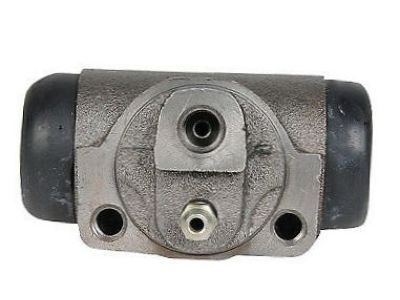
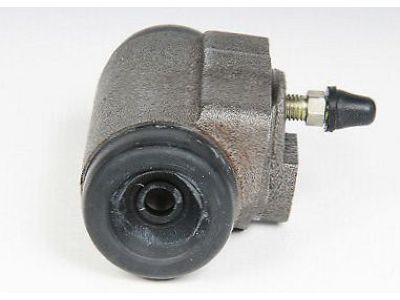
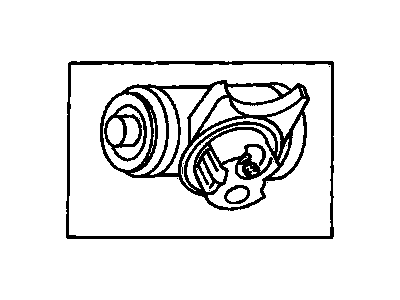
Chevrolet Express Rear Brake Cylinder Assembly
Part Number: 19213345$51.47 MSRP: $100.35You Save: $48.88 (49%)Ships in 1-2 Business Days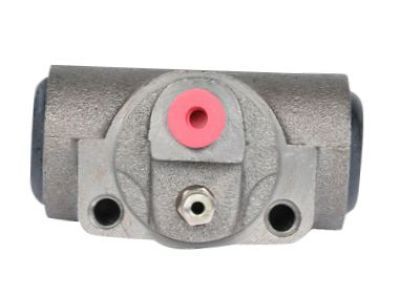
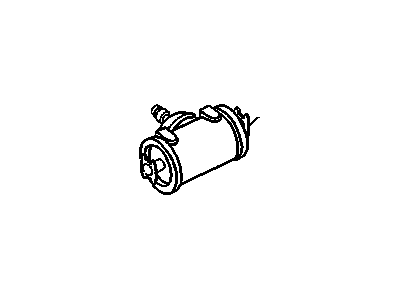
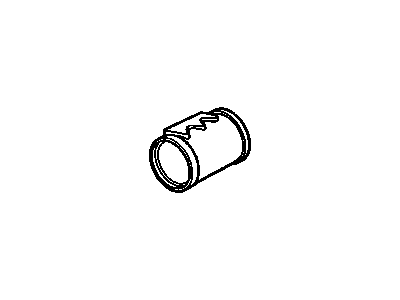
Chevrolet Express Wheel Cylinder
The Chevrolet Express Wheel Cylinder changes the hydraulic pressure to an outward movement, which pushes the brake shoes against the drum and provides reliable stopping power. The early vans applied a cast-iron Wheel Cylinder but later switched to corrosion-resistant aluminum. Both styles, however, contain twin pistons each with cup seals, an expander spring, and dust boots to protect the whole assembly. The Wheel Cylinder pushes the shoes against the drum when brake fluid enters the middle of the bore, forcing each piston apart. Everything is pulled back by return springs when the pedal is released. In some model years, a single two-piston Wheel Cylinder is mounted above the shoes. In other years, a pair of single-piston units perform the same function. So the difference is merely one of layout and service procedure. The cylinder has a bleeder screw at its greatly high point which allows trapped air to escape, creating a firm pedal. Because the glycol fluid attracts water, this will cause rusting that will pit the bore. Not only that, but it will tear the seals, and this will cause leaks, low pedal feel, or brake drag. Therefore, the driver should check boots for seepage and replace or rebuild the Chevrolet Express Wheel Cylinder as needed to keep Chevrolet brakes reliable on every Express journey.
Each OEM Chevrolet Express Wheel Cylinder we offer is competitively priced and comes with the assurance of the manufacturer's warranty for the part. Furthermore, we guarantee the speedy delivery of your orders right to your doorstep. Our hassle-free return policy is also in place for your peace of mind.
Chevrolet Express Wheel Cylinder Parts Questions & Experts Answers
- Q:How to replace the wheel cylinder on Chevrolet Express?A:To replace the wheel cylinder on a vehicle, start by raising the rear of the vehicle and supporting it securely on jackstands. Block the front wheels to prevent the vehicle from rolling. Next, remove the Brake Shoe assembly and clean any dirt or foreign material from around the wheel cylinder. Disconnect the Brake Line, being careful not to pull it away from the wheel cylinder. Then, remove the wheel cylinder mounting bolts and detach the wheel cylinder from the brake backing plate. Immediately plug the brake line to prevent fluid loss and contamination. To install the new wheel cylinder, place it in position and install the bolts finger tight. Connect the brake line to the cylinder, ensuring it is not cross-threaded, and tighten the wheel cylinder mounting bolts to the correct torque specifications. Finally, tighten the brake line fitting securely, install the brake shoe assembly, bleed the brakes, and carefully check the operation of the brakes before driving the vehicle.