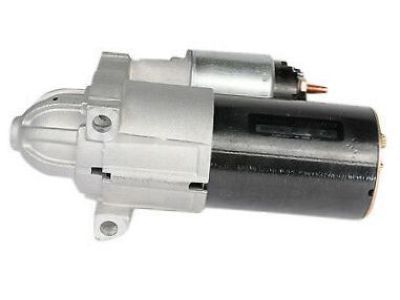
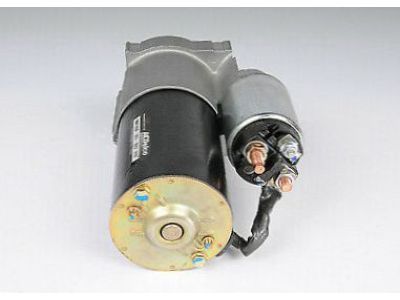
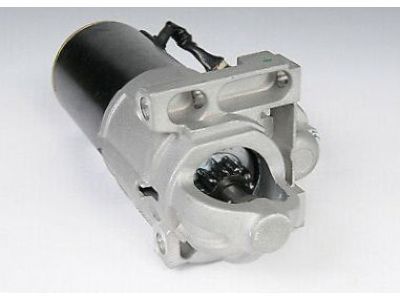
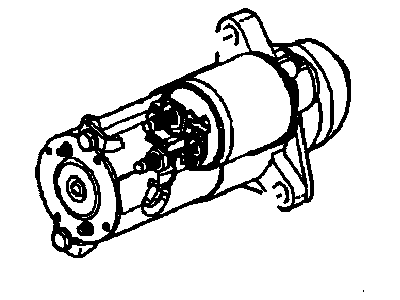
In case of any suspect on starting circuit malfunction, do not immediately attribute this to the starter that could be faulty. Instead, carry out a step by step inspection of various parts and connections until you find out the main cause. Make sure that battery cable clamps are clean and tightly fastened at the battery terminals. Inspect condition of battery cables and change those that have malfunctions. Test the condition of your battery, where if it fails any tests, replace it with a new one. Look at wiring and connections related to the Starter. Ensure that all Starter mounting bolts are tight. Check for any blown fuses on relevant fuses in engine compartment fuse box and exchange them accordingly as well as addressing other issues associated with them. Ensure that ignition switch circuit is functioning properly. Examine the starter relay for any potential problem areas. Also assess if Park/Neutral Position (PNP) switch has been adjusted properly or not. When you turn the key to start but there is no sound from your engine, check for 12 volts at starter solenoid's positive terminal while using 12 volt test light or voltmeter and have an assistant start expect brightness with test light or voltage readings to show battery presence when turned to start position with ignition switch on. Failure of voltage indicates problems with the fuses or starter relay in the starting system itself. If voltage is present but there is no action from the solenoid Starter; remove it for bench testing purposes. When cranking over slow, perform tests for starter cranking voltage and current draw ensuring that battery voltage does not fall below 9.6 volts as well as not exceeding 160 amps typicaly for 30 seconds continuously.If they do not meet these specifications then consider purchasing a new one because such cannot be used.Otherwise ensure warmness between battery terminals as well as cables which should be free from corrosion during extreme cold conditions by heating block and battery. If there is a voltage supply to the starter but it does not work, connect it to a test battery using positive and negative jumpers in order to observe movement of plunger, shift lever and overrunning clutch for solenoid S terminal when battery voltage is applied. In case the pinion drive comes out without turning around, then the solenoid is good but the Starter is faulty. If there is no motion but solenoid click then either solenoids or Starters are bad. The starting system will be fine as long as solenoid plunger makes pinion drive rotate.