
My Garage
My Account
Cart
Genuine 1986 Chevrolet El Camino Crankshaft Seal
- Select Vehicle by Model
- Select Vehicle by VIN
Select Vehicle by Model
orMake
Model
Year
Select Vehicle by VIN
For the most accurate results, select vehicle by your VIN (Vehicle Identification Number).
3 Crankshaft Seals found
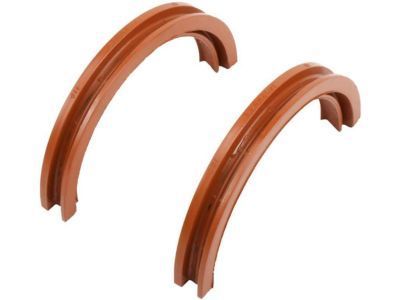
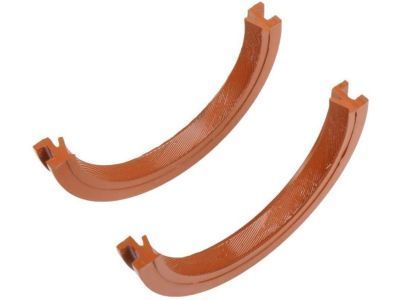
 Product Specifications
- Other Name: Seal Kit, Engine Rear Main Bearing; Rear Main Seal
- Position: Rear
- Item Weight: 0.40 Pounds
- Item Dimensions: 6.7 x 5.0 x 0.3 inches
- Condition: New
- Fitment Type: Direct Replacement
- SKU: 10121044
- Warranty: This genuine part is guaranteed by GM's factory warranty.
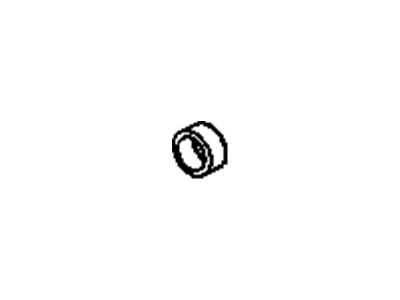
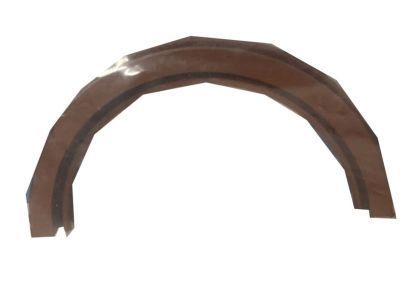
1986 Chevrolet El Camino Timing Cover Oil Seal
Part Number: 10111769$2.83 MSRP: $4.35You Save: $1.52 (35%)Product Specifications- Other Name: Seal, Engine Crankshaft Front
- Position: Front
- Replaced by: 10243247
- Item Weight: 0.30 Pounds
- Item Dimensions: 2.9 x 3.0 x 0.5 inches
- Condition: New
- Fitment Type: Direct Replacement
- SKU: 10111769
- Warranty: This genuine part is guaranteed by GM's factory warranty.
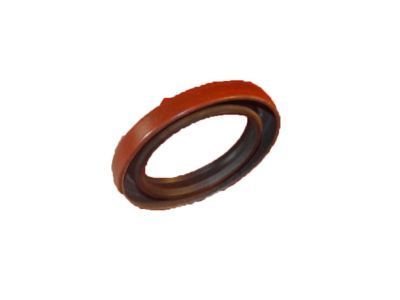
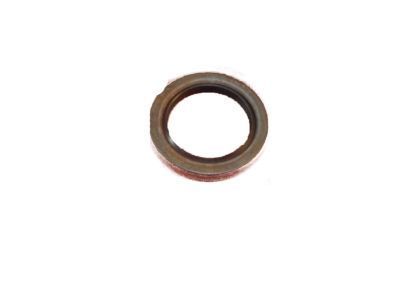
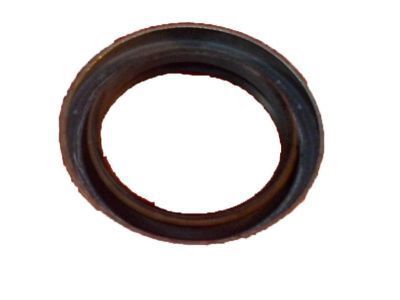
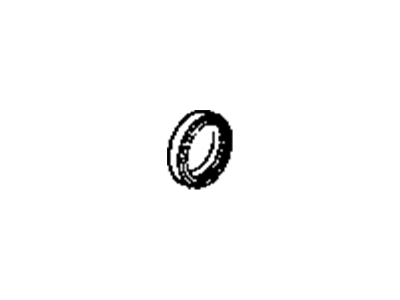 Product Specifications
- Other Name: Seal, Engine Front Cover & Crankshaft Seal
- Item Weight: 0.50 Pounds
- Item Dimensions: 3.6 x 3.5 x 0.9 inches
- Condition: New
- Fitment Type: Direct Replacement
- SKU: 552711
- Warranty: This genuine part is guaranteed by GM's factory warranty.
1986 Chevrolet El Camino Crankshaft Seal
We are your prime source for competitively priced and high-quality OEM 1986 Chevrolet El Camino Crankshaft Seal. We provide you with parts that will allow you to save a lot of money without sacrificing quality. All our OEM parts are backed by the manufacturer's warranty and shipped out at a swift rate.
1986 Chevrolet El Camino Crankshaft Seal Parts Questions & Experts Answers
- Q:How to properly install a new or reground crankshaft and Crankshaft Seal in V8 engine on 1986 Chevrolet El Camino?Posted by Gwynne P.A:When installing a new or reground crankshaft, ensure the correct bearings are used. Begin by installing the rear main bearing oil seal, positioning the upper half on its cylinder block seat and the lower half on the rear main bearing cap, with the lips facing the front of the engine; if there are two lips, the helix should also face the front. Use the protector installation tool for the seal halves and lubricate the seal lips with engine oil. Next, install the main bearings in the cylinder block and main bearing caps, lubricating the bearing surfaces with engine oil. Carefully lower the crankshaft into position, avoiding damage to the bearing surfaces. Apply a thin coat of brush-on sealer to the block mating surface and the corresponding surface of the bearing cap, ensuring no sealer contacts the crankshaft or seal. Install the main bearing caps over the crankshaft and onto the cylinder block, ensuring the arrows point toward the front of the engine. Torque all main bearing cap attaching bolts to the proper specification, except for the rear bearing cap, which should be torqued to about 10 to 12 ft-lb initially. Tap the end of the crankshaft with a lead hammer to align the rear bearing properly, then re-torque all bearing cap bolts to the correct specification. To measure crankshaft end play, push the crankshaft forward and use a feeler gauge to measure the gap between the front of the rear main bearing and the crankshaft thrust surface. Finally, install the flywheel to facilitate engine rotation during reassembly.Answered by GM Parts Specialist Nicholas / Oct 26, 2025
Related 1986 Chevrolet El Camino Parts
 1986 Chevrolet El Camino Crankshaft Thrust Washer Set
 1986 Chevrolet El Camino Coolant Temperature Sensor
 1986 Chevrolet El Camino Crankshaft
 1986 Chevrolet El Camino Crankshaft Pulley
 1986 Chevrolet El Camino Alternator Bracket
 1986 Chevrolet El Camino Crankshaft Gear
 1986 Chevrolet El Camino Belt Tensioner Bolt
 1986 Chevrolet El Camino Crankcase Breather Hose
 1986 Chevrolet El Camino Crankshaft Position Sensor