
My Garage
My Account
Cart
Genuine 1997 Chevrolet C1500 Piston
Engine Pistons- Select Vehicle by Model
- Select Vehicle by VIN
Select Vehicle by Model
orMake
Model
Year
Select Vehicle by VIN
For the most accurate results, select vehicle by your VIN (Vehicle Identification Number).
9 Pistons found
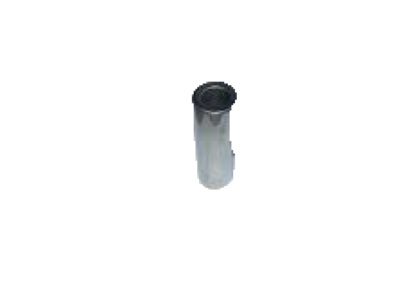
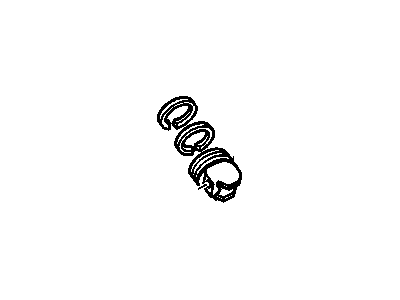
1997 Chevrolet C1500 Piston
Part Number: 88894280$140.17 MSRP: $232.01You Save: $91.84 (40%)Ships in 1-3 Business DaysProduct Specifications- Other Name: Piston Assembly; Piston
- Replaces: 12522850
- Item Weight: 1.90 Pounds
- Item Dimensions: 4.8 x 4.7 x 4.5 inches
- Condition: New
- Fitment Type: Direct Replacement
- SKU: 88894280
- Warranty: This genuine part is guaranteed by GM's factory warranty.
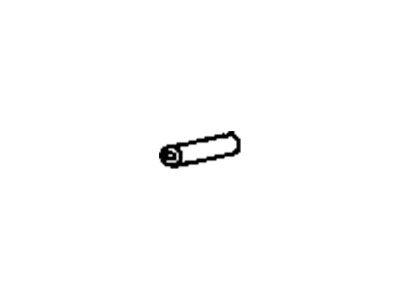
1997 Chevrolet C1500 Piston Assembly
Part Number: 88894281$116.88 MSRP: $235.71You Save: $118.83 (51%)Ships in 1-2 Business DaysProduct Specifications- Other Name: Piston, Engine Piston
- Replaces: 12533560
- Item Weight: 1.90 Pounds
- Item Dimensions: 4.9 x 4.3 x 4.5 inches
- Condition: New
- Fitment Type: Direct Replacement
- SKU: 88894281
- Warranty: This genuine part is guaranteed by GM's factory warranty.
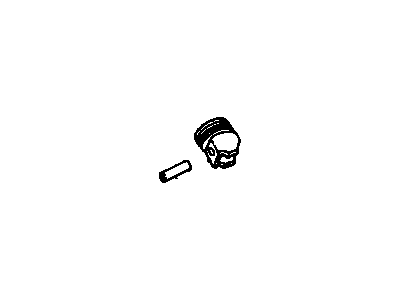
1997 Chevrolet C1500 Piston
Part Number: 12550059$191.44 MSRP: $316.84You Save: $125.40 (40%)Ships in 1-3 Business DaysProduct Specifications- Other Name: Piston, Engine Piston; Piston
- Item Weight: 3.20 Pounds
- Item Dimensions: 7.9 x 5.6 x 5.3 inches
- Condition: New
- Fitment Type: Direct Replacement
- SKU: 12550059
- Warranty: This genuine part is guaranteed by GM's factory warranty.
1997 Chevrolet C1500 Piston
Part Number: 12550062$215.08 MSRP: $337.53You Save: $122.45 (37%)Ships in 1-3 Business DaysProduct Specifications- Other Name: Engine Piston
- Item Weight: 2.90 Pounds
- Item Dimensions: 4.9 x 4.4 x 4.4 inches
- Condition: New
- Fitment Type: Direct Replacement
- SKU: 12550062
- Warranty: This genuine part is guaranteed by GM's factory warranty.
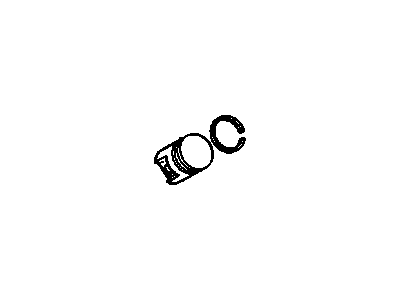
1997 Chevrolet C1500 Piston Asm,(W/ Pinion)(Std)
Part Number: 19302143$112.10 MSRP: $173.58You Save: $61.48 (36%)Product Specifications- Other Name: PISTON, Engine Piston; Piston
- Replaces: 12528891
- Item Weight: 1.90 Pounds
- Item Dimensions: 7.1 x 4.3 x 4.3 inches
- Condition: New
- Fitment Type: Direct Replacement
- Require Quantity: 8
- SKU: 19302143
- Warranty: This genuine part is guaranteed by GM's factory warranty.
- Product Specifications
- Other Name: PISTON, Engine Piston
- Item Weight: 1.60 Pounds
- Item Dimensions: 6.9 x 4.3 x 4.5 inches
- Condition: New
- Fitment Type: Direct Replacement
- Require Quantity: 8
- SKU: 12369543
- Warranty: This genuine part is guaranteed by GM's factory warranty.
- Product Specifications
- Other Name: PISTON, Engine Piston
- Item Weight: 1.60 Pounds
- Item Dimensions: 7.0 x 4.4 x 4.3 inches
- Condition: New
- Fitment Type: Direct Replacement
- Require Quantity: 8
- SKU: 12528893
- Warranty: This genuine part is guaranteed by GM's factory warranty.
 Product Specifications
- Other Name: PISTON, Engine Piston
- Item Weight: 2.90 Pounds
- Item Dimensions: 4.8 x 4.5 x 4.4 inches
- Condition: New
- Fitment Type: Direct Replacement
- Require Quantity: 8
- SKU: 12550061
- Warranty: This genuine part is guaranteed by GM's factory warranty.
 Product Specifications
- Other Name: PISTON KIT, Engine Piston
- Replaces: 12524224
- Item Weight: 1.90 Pounds
- Item Dimensions: 4.9 x 4.4 x 4.3 inches
- Condition: New
- Fitment Type: Direct Replacement
- SKU: 88894282
- Warranty: This genuine part is guaranteed by GM's factory warranty.
1997 Chevrolet C1500 Piston
We are your prime source for competitively priced and high-quality OEM 1997 Chevrolet C1500 Piston. We provide you with parts that will allow you to save a lot of money without sacrificing quality. All our OEM parts are backed by the manufacturer's warranty and shipped out at a swift rate.
1997 Chevrolet C1500 Piston Parts Questions & Experts Answers
- Q:What is the inspection process for the piston/connecting rod assemblies on 1997 Chevrolet C1500?Posted by Facilities P.A:The inspection process for the piston/connecting rod assemblies should start by cleaning them and removing the original piston rings from the pistons, then replacing them with new piston rings during engine reassembly. With care to avoid damaging the piston surfaces, pull out the rings using a piston ring installation tool. By scraping or using a handheld wire brush or fine emery cloth, eliminate carbon deposits from the piston crown. Avoid electric drills with wire brushes as these can eat away at the soft material of the piston. Use a piece from an old ring or a piston ring groove cleaning tool to get rid of carbon deposits from the ring grooves without removing any metal or causing scratches. Consequently, solvent-wash and blow off each of them if possible in order that oil return holes are not clogged on their back sides within ring grooves. Also, check for cracks around skirt, pin bosses and ring lands or overheating/abnormal combustion scoring, scuffing, holes or burned areas in thrust faces, crown and edge which need addressing if found. If there is corrosion with small pits it may indicate coolant leakage; this must be sorted out. Piston to bore clearance; measure clearances on one side of the compressor guard ensuring perfect match so as to check out for proper fitting: plus evaluate piston-to-rod clearance seeking help of automotive machine shop for reboring and new pin installation whenever necessary. In case it becomes necessary to separate pistons from connecting rods, professional assistance must be sought in order not to disassemble pistons and connecting rods also. Finally, check connection rod for cracks/damages, remove rod caps temporarily to inspect bearing surfaces and replace old bearings before tightening nuts finger tight.Answered by GM Parts Specialist Xavier / May 02, 2024
Related 1997 Chevrolet C1500 Parts
 1997 Chevrolet C1500 Crankshaft Thrust Washer Set
 1997 Chevrolet C1500 Drain Plug
 1997 Chevrolet C1500 Crankshaft
 1997 Chevrolet C1500 Alternator Bracket
 1997 Chevrolet C1500 Crankshaft Pulley
 1997 Chevrolet C1500 Crankshaft Gear
 1997 Chevrolet C1500 Automatic Transmission Seal
 1997 Chevrolet C1500 Belt Tensioner Bolt
 1997 Chevrolet C1500 Brake Caliper Bolt