
My Garage
My Account
Cart
Genuine 1999 Oldsmobile Cutlass Oil Pump
Oil Fluid Pump- Select Vehicle by Model
- Select Vehicle by VIN
Select Vehicle by Model
orMake
Model
Year
Select Vehicle by VIN
For the most accurate results, select vehicle by your VIN (Vehicle Identification Number).
2 Oil Pumps found
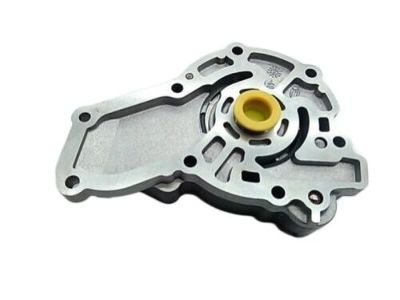
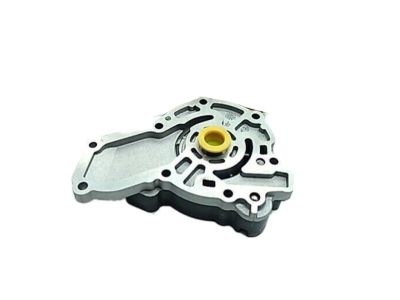
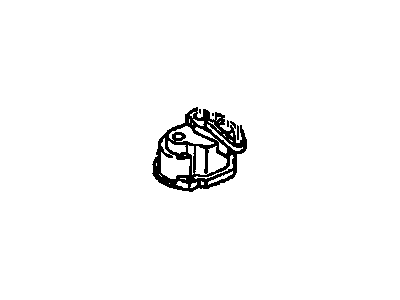
 Product Specifications
- Other Name: PUMP, Transmission Oil Pump
- Item Weight: 4.70 Pounds
- Item Dimensions: 7.9 x 7.4 x 3.3 inches
- Condition: New
- Fitment Type: Direct Replacement
- SKU: 24231142
- Warranty: This genuine part is guaranteed by GM's factory warranty.
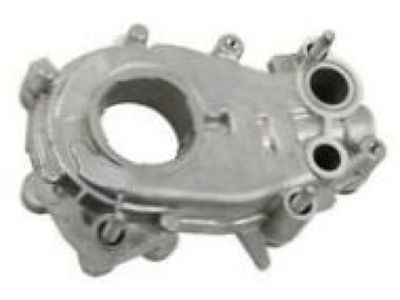
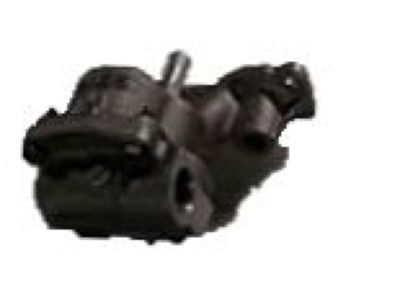
 Product Specifications
- Other Name: PUMP, Engine Oil Pump; Oil Pump, Water Pump
- Replaces: 10229785, 12593581
- Item Weight: 3.40 Pounds
- Item Dimensions: 7.1 x 4.4 x 4.5 inches
- Condition: New
- Fitment Type: Direct Replacement
- SKU: 89060444
- Warranty: This genuine part is guaranteed by GM's factory warranty.
1999 Oldsmobile Cutlass Oil Pump
We are your prime source for competitively priced and high-quality OEM 1999 Oldsmobile Cutlass Oil Pump. We provide you with parts that will allow you to save a lot of money without sacrificing quality. All our OEM parts are backed by the manufacturer's warranty and shipped out at a swift rate.
1999 Oldsmobile Cutlass Oil Pump Parts Questions & Experts Answers
- Q:Is it more practical and economical to replace a faulty oil pump with a new or rebuilt unit, and what steps should be taken if an overhaul is chosen in V8 engine on 1999 Oldsmobile Cutlass?Posted by Alcides L.A:Where possible, replacement of the faulty oil pump with a new or re-manufactured one is cheaper and more effective, but where an overhaul is decided on, one should find out on the availability of internal parts before starting. Starting, it is required to unscrew and remove the pump cover and the pump cover retaining screws, denoting the gear teeth for assembly. Subsequently, the idler gear, drive gear and shaft have to be removed from the body along with the pressure regulator valve retaining pin, the regulator valve and its related components are removed. If required, the pick-up screen and pipe assembly may be withdrawn from the pump body. Afterwards it is necessary to wash all the parts in some solvent and after that dry them up, checking the state of the body and especially gears for existence of cracks, wears, etc. Looseness between the pump body and drive gear shafts: check whether there is wear inside the pump cover to cause oil leakage. Most often, the pick-up screen and the pipe assembly must be examined for signs of wearing out. A gasket sealant should then be placed to the end of the pipe and the pipe tapped into the pump body without causing any damage; if the original press-fit is lost then the rear assembly must be used so as to counter air leaks and pressures loss. Mounting of the pressure regulator valve and other associated sub-assemblies, the drive gear and shaft arrangement in the pump body, the idler gear of the pump with the plain side towards the opening of the pump cover and the pump gears lubricated with engine oil. Last, bolt on the cover and power tighten the screws, thus rotating the driveshaft to check if the pump moves easily.Answered by GM Parts Specialist Fernando / Apr 22, 2026
Related 1999 Oldsmobile Cutlass Parts
 1999 Oldsmobile Cutlass Oil Filter
 1999 Oldsmobile Cutlass Oil Cooler
 1999 Oldsmobile Cutlass Crankshaft Thrust Washer Set
 1999 Oldsmobile Cutlass Oil Pressure Switch
 1999 Oldsmobile Cutlass Drain Plug
 1999 Oldsmobile Cutlass Crankshaft
 1999 Oldsmobile Cutlass Oil Pan
 1999 Oldsmobile Cutlass Rod Bearing
 1999 Oldsmobile Cutlass Oil Pan Gasket
 1999 Oldsmobile Cutlass Dipstick
 1999 Oldsmobile Cutlass Dipstick Tube