
My Garage
My Account
Cart
Genuine 2005 Chevrolet Astro Piston
Engine Pistons- Select Vehicle by Model
- Select Vehicle by VIN
Select Vehicle by Model
orMake
Model
Year
Select Vehicle by VIN
For the most accurate results, select vehicle by your VIN (Vehicle Identification Number).
3 Pistons found
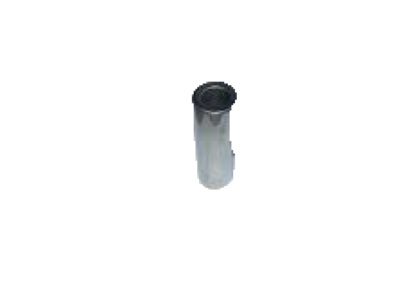
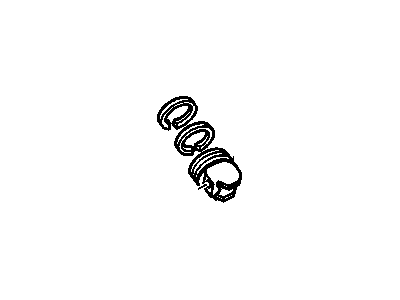
2005 Chevrolet Astro Piston
Part Number: 88894280$140.17 MSRP: $232.01You Save: $91.84 (40%)Ships in 1-3 Business DaysProduct Specifications- Other Name: Piston Assembly; Piston
- Replaces: 12522850
- Item Weight: 1.90 Pounds
- Item Dimensions: 4.8 x 4.7 x 4.5 inches
- Condition: New
- Fitment Type: Direct Replacement
- SKU: 88894280
- Warranty: This genuine part is guaranteed by GM's factory warranty.
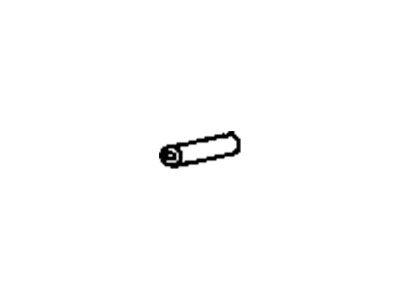
2005 Chevrolet Astro Piston Assembly
Part Number: 88894281$116.88 MSRP: $235.71You Save: $118.83 (51%)Ships in 1-2 Business DaysProduct Specifications- Other Name: Piston, Engine Piston
- Replaces: 12533560
- Item Weight: 1.90 Pounds
- Item Dimensions: 4.9 x 4.3 x 4.5 inches
- Condition: New
- Fitment Type: Direct Replacement
- SKU: 88894281
- Warranty: This genuine part is guaranteed by GM's factory warranty.
 Product Specifications
- Other Name: PISTON KIT, Engine Piston
- Replaces: 12524224
- Item Weight: 1.90 Pounds
- Item Dimensions: 4.9 x 4.4 x 4.3 inches
- Condition: New
- Fitment Type: Direct Replacement
- SKU: 88894282
- Warranty: This genuine part is guaranteed by GM's factory warranty.
2005 Chevrolet Astro Piston
We are your prime source for competitively priced and high-quality OEM 2005 Chevrolet Astro Piston. We provide you with parts that will allow you to save a lot of money without sacrificing quality. All our OEM parts are backed by the manufacturer's warranty and shipped out at a swift rate.
2005 Chevrolet Astro Piston Parts Questions & Experts Answers
- Q:What steps should be taken before carrying out the inspection process on piston/connecting rod assemblies on 2005 Chevrolet Astro?Posted by Chrisy H.A:Prior to the commencement of an inspection regime these assemblies need to be scrubbed and the original piston rings also need to be extracted from the pistons and sighted to new piston rings as a rule. By following the case of using the piston ring installation tool remove carefully the piston rings from the pistons without scratching them. After the bulk of the carbon deposits have been scraped off use a handheld wire brush or fine emery paper to clean the top of the piston as seen below At no time should a wire brush mounted on a drill motor be used to clean the piston top since this will cause erosion of the piston material. To clean the carbon out of the ring groove a piston ring groove cleaner should be used so only carbon is removed and not the metal or a small piece from the old ring may be used. The piston/rod assemblies should be coming off clean with solvent, and a flushed of compressed air on them, the oil return holes in the back sides of the ring grooves should be free. If the pistons and cylinder walls are not damaged or are not excessively worn and if the bore of the engine block is not rebored, new pistons might not be required but new piston rings should always be used during the reconditioning of an engine. Every piston should be examined for crackles, scores, scuff, holes or signs of burn as these suggest overheating, abnormal combustion or spark knock and one needs to check the cooling and lub oiling system. Typical corrosion pattern is small pitting of metal surface, which may signify coolant seepage into the combustion chamber or crankcase, which the mechanic must eliminate to prevent repetition in the newly reconditioned engine. Check the piston ring side clearance by placing one new piston ring for each groove and then using a feeler gauge at various positions; if the clearance goes beyond the maximum allowable limit new pistons shall have to be procured. The piston to bore clearance should be measured by comparing the bore diameter with the diameter of the piston and then calculating the clearance; if the clearance is higher than the normal one then the block should be rebored and new pistons and rings must be fitted. Checking piston-to-rod clearance can be done by turning the piston and rod from each other; this play normally has to be adjusted, which may require rebore and new pin at the automotive machine shop. Should pistons require removal from the connecting rods, they should also be taken to a machine shop for checking bend and twist and similarly the connecting rods should be checked for cracks and losses after temporarily removing the rod caps and old bearing inserts, cleaning them and then replacing the bearings and tightening the caps.Answered by GM Parts Specialist Fernando / Oct 29, 2025
Related 2005 Chevrolet Astro Parts
 2005 Chevrolet Astro Crankshaft Thrust Washer Set
 2005 Chevrolet Astro Drain Plug
 2005 Chevrolet Astro Crankshaft
 2005 Chevrolet Astro Crankshaft Pulley
 2005 Chevrolet Astro Alternator Bracket
 2005 Chevrolet Astro Brake Caliper Bracket
 2005 Chevrolet Astro Automatic Transmission Seal
 2005 Chevrolet Astro Belt Tensioner Bolt
 2005 Chevrolet Astro Brake Caliper Bolt