My Garage
My Account
Cart
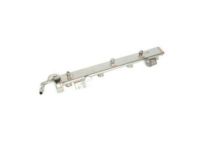
Genuine Chevrolet HHR Fuel Rail
Engine Fuel Rail- Select Vehicle by Model
- Select Vehicle by VIN
Select Vehicle by Model
orMake
Model
Year
Select Vehicle by VIN
For the most accurate results, select vehicle by your VIN (Vehicle Identification Number).
2 Fuel Rails found
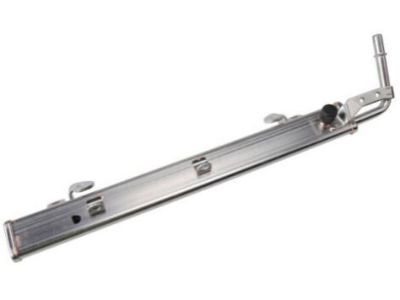
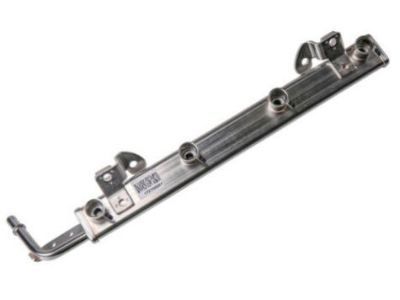
Chevrolet HHR Rail, Multiport Fuel Injection Fuel
Part Number: 12602482$176.18 MSRP: $359.40You Save: $183.22 (51%)Ships in 1-2 Business Days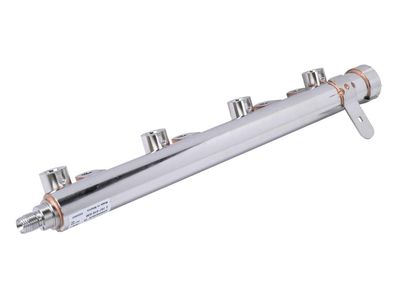
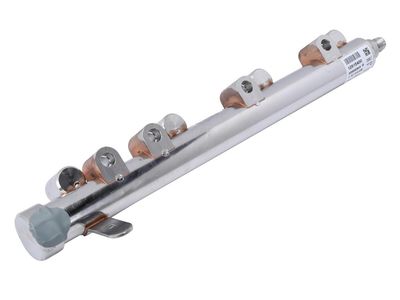
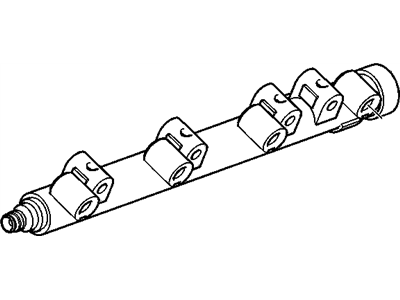
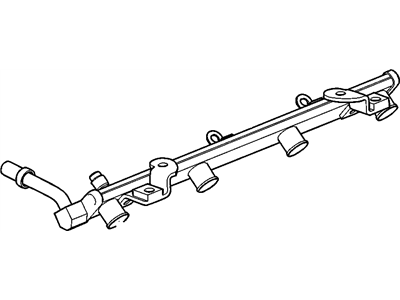
Chevrolet HHR Rail, Fuel Injection Fuel
Part Number: 12615400$420.44 MSRP: $793.28You Save: $372.84 (47%)
Chevrolet HHR Fuel Rail
The Fuel Rail on the Chevrolet HHR delivers a steady supply of pump-fed gasoline to each injector for efficient, low emissions. It channels fuel from the electric pump, maintains it at a constant pressure with the help of the regulator, and feeds it directly into the injectors. The PCM either widens or shortens the pulse width based on sensor data. Major vehicle manufacturers, such as General Motors, have embraced port injection systems. Early eighties vehicles incorporated a throttle body injection system, which did not rely on a Fuel Rail due to the location of the injector. Most contemporary systems have taken a turn for the better. The HHR actually mounts the injector near each intake valve. They are connected through a slim aluminum or steel Fuel Rail. Because of this, emissions are trimmed, which sharpens throttle response and enhances the drivability of any engine. In the updated direct injection types, which are occasionally referred to as common rail, the pressure is raised to extreme levels. The high-strength Fuel Rail can withstand over 2,000 bar. At that stage, it sends fuel to the chamber in an atomized form, which squeezes more power from every drop. The primary difference across model years is the pressure capacity and injector location, but each Fuel Rail has the important function of ensuring even flow across cylinders. Whether it is the daily commuter Chevrolet or the cargo-lugging Chevrolet panel version, each HHR's smooth start and good mileage rely on its precise rail setup.
Each OEM Chevrolet HHR Fuel Rail we offer is competitively priced and comes with the assurance of the manufacturer's warranty for the part. Furthermore, we guarantee the speedy delivery of your orders right to your doorstep. Our hassle-free return policy is also in place for your peace of mind.
Chevrolet HHR Fuel Rail Parts Questions & Experts Answers
- Q:How to remove fuel injectors and Fuel Rail on Chevrolet HHR?A:To remove the fuel injectors, start by relieving the fuel system pressure and disconnecting the negative battery terminal. Then, remove the air intake duct and coolant overflow pipe if necessary. Release the quick-connect line fitting at the fuel rail and disconnect the electrical connectors from the fuel injectors. Remove the fuel rail mounting bolts and remove the fuel rail and injectors as a single assembly. Remove the retainer securing each fuel injector to the fuel rail and pull out the injector. Remove the old O-rings from each injector and discard them. For installation, lubricate the new injector O-rings with clean engine oil and tighten the fuel rail mounting bolts to the proper torque specifications. Reconnect the battery and start the engine to check for fuel leaks. On turbocharged engines, additional steps include removing the fuel rail high-pressure feed pipe and intake manifold. Carefully remove the foam fuel injector insulator, electrical connectors, and any remaining connections. Remove the fuel rail, using a special injector removal tool if necessary. Remove the old Teflon sealing ring and upper O-ring from each injector. To install the new Teflon seal, use the special tools included in the injector tool set or a socket of similar diameter. Install the support ring, upper O-ring, and Teflon seal on each injector. Clean the injector bores and install the spring steel retainer on each injector. Install the fuel rail and injectors, tightening the mounting bolts and high-pressure fuel line fittings to the correct torque specifications. Reconnect the battery and start the engine to check for fuel leaks.