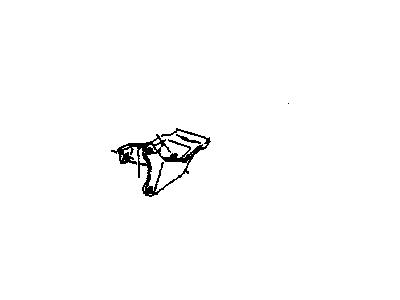
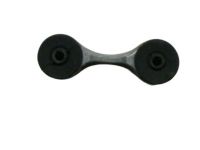
Rubber engine mounts are an element of the engine/transaxle assembly in the car and if rubber mounts are hardened, cracked or separated from the metal base they should be replaced. To replace the engine mount, support the engine with a jack, remove the forward torque reaction strut bolt, securely lift the vehicle with jack stands and remove the engine mount to cradle nuts and the upper mount to the engine support bracket bolts but not the support bracket from the engine. Upon the elimination of the current engine mount, the new mount should be fitted and the mount to the engine bracket and the mount to the chassis bolts should be tightened to the prescribed torque before lowering the vehicle as well as reinstallation of the forward torque reaction strut bolt. For earlier model vehicles with an automatic transaxle: raise the vehicle, support the engine and transaxle, remove mount-to-cradle nuts and support bracket and replace forward transaxle mount and tighten requisite nuts. For the rear transaxle mount, lower the cradle after having undone the rear cradle to chassis bolts, install the new mount then tighten nuts on the cradle to chassis bolts. Engine and transaxle support bracket and mount may be combined as a single very large unit from some later model vehicles; loosen the required bolts and nuts; replace the mount; and then tighten all the components as per the torque specifications. For manual transaxle mounts, lift the car and support the engine and transaxle, unbolt the forward torque reaction strut bolt and at the same time the front and rear mounts can be unbolted at the same time so that you can install a new set of mounts and tighten the bolts to the right torque. And for the engine torque reaction strut: both the strut bolts are to be removed, the front strut bolt is then to be slackly screwed onto the bushing, the engine is then moved back to fit the rear strut bolt and then both bolts are to be tightened to specification.