
My Garage
My Account
Cart
Genuine GMC Shock Absorber
Suspension Shock Absorber- Select Vehicle by Model
- Select Vehicle by VIN
Select Vehicle by Model
orMake
Model
Year
Select Vehicle by VIN
For the most accurate results, select vehicle by your VIN (Vehicle Identification Number).
760 Shock Absorbers found
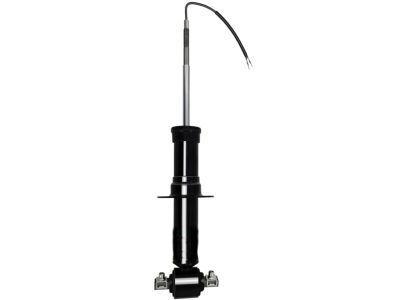
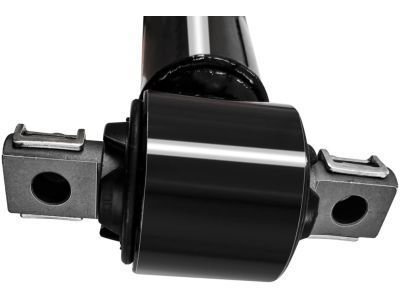
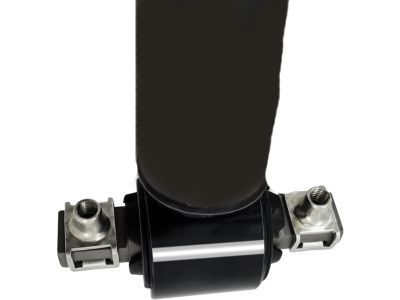
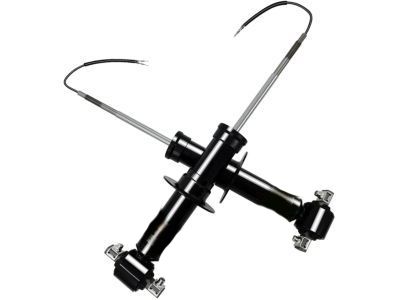
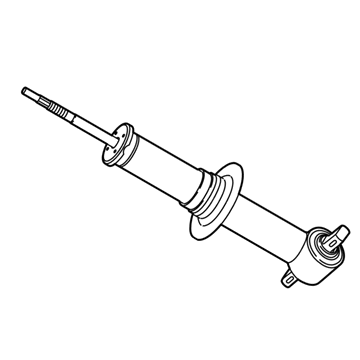 Product Specifications
- Other Name: Absorber, Front And Rear Suspension; Shock Absorber, Strut
- Position: Front
- Replaces: 23151123, 84061228, 23464589, 84176631, 23312167
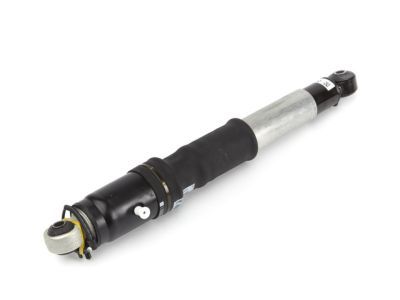
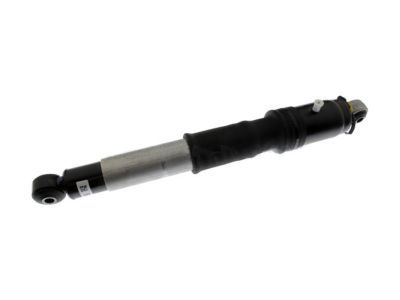
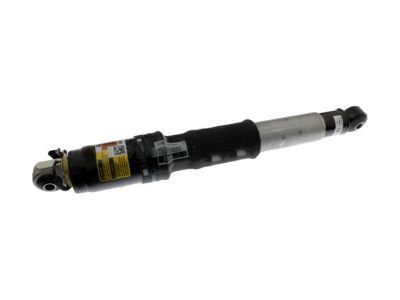
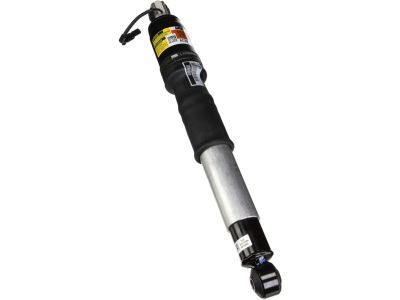
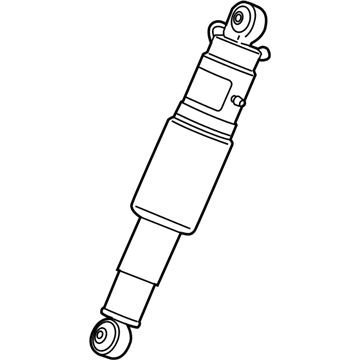
GMC Shock Absorber
Part Number: 84176675$487.45 MSRP: $950.20You Save: $462.75 (49%)Ships in 1-3 Business DaysProduct Specifications- Other Name: Absorber, Shock Absorber Air Lift; Shock, Shock Absorber
- Position: Rear
- Replaces: 23267007, 23151122, 23290661
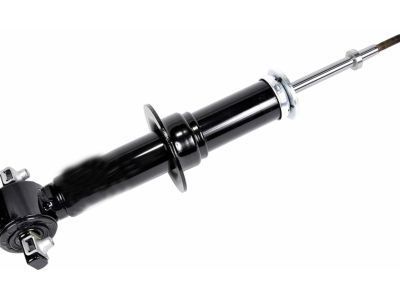
GMC Strut
Part Number: 84082002$291.08 MSRP: $567.46You Save: $276.38 (49%)Ships in 1-2 Business DaysProduct Specifications- Other Name: Absorber, Front And Rear Suspension; Strut
- Position: Front
- Replaced by: 85669753
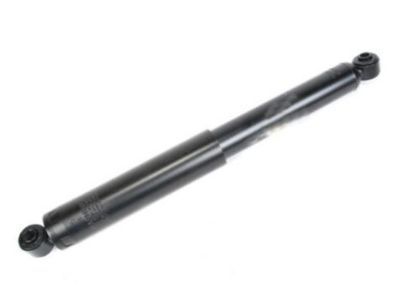
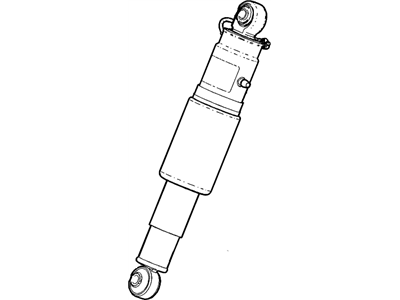 Product Specifications
- Other Name: Absorber, Front And Rear Suspension; Shock, Shock Absorber
- Position: Rear
- Replaced by: 85743838
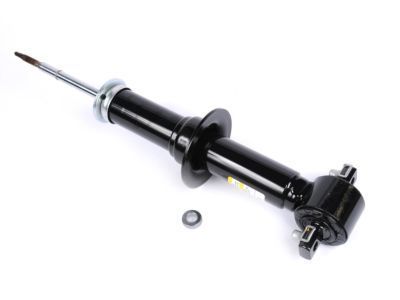
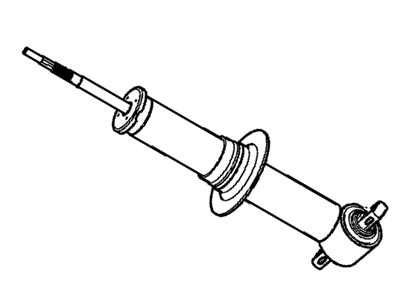
GMC Strut
Part Number: 22891324$216.46 MSRP: $421.96You Save: $205.50 (49%)Ships in 1-2 Business DaysProduct Specifications- Other Name: Absorber, Front And Rear Suspension; Strut
- Position: Front
- Replaced by: 85669728
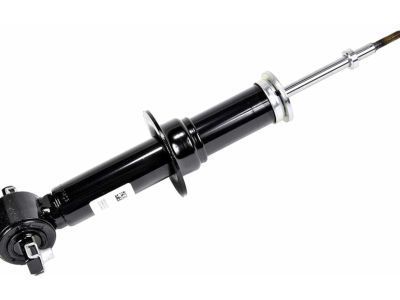
GMC Shock Absorber
Part Number: 84043217$98.78 MSRP: $194.26You Save: $95.48 (50%)Ships in 1-2 Business DaysProduct Specifications- Other Name: Absorber, Front And Rear Suspension; Shock Absorber, Strut
- Position: Front
- Replaced by: 85669721
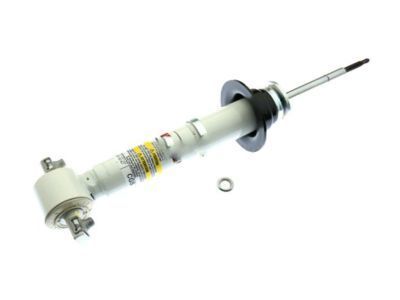
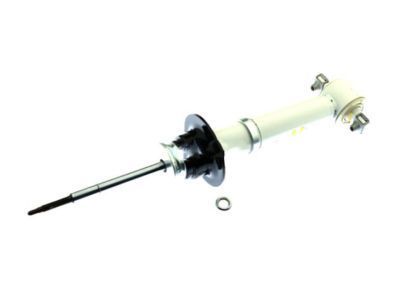
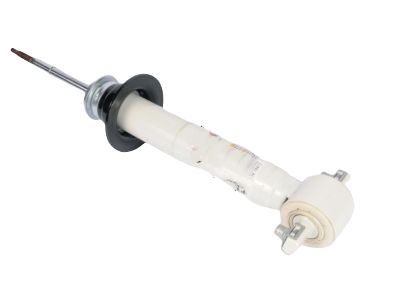
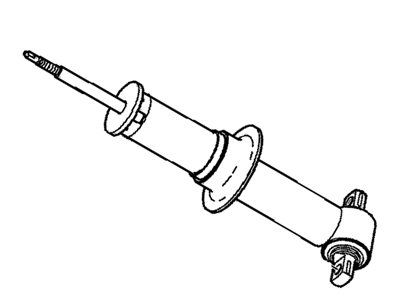
GMC Shock Absorber
Part Number: 23130122$70.20 MSRP: $193.75You Save: $123.55 (64%)Ships in 1-2 Business DaysProduct Specifications- Other Name: Absorber, Front And Rear Suspension; Shock Absorber, Strut
- Position: Front
- Replaced by: 85669714
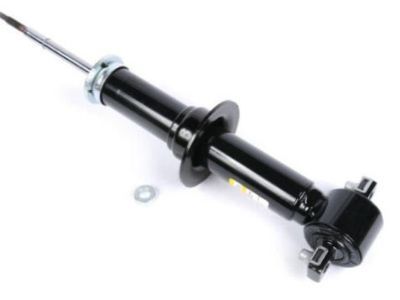
GMC Strut
Part Number: 22891309$226.81 MSRP: $442.14You Save: $215.33 (49%)Ships in 1-2 Business DaysProduct Specifications- Other Name: Absorber, Front And Rear Suspension; Strut
- Position: Front
- Replaced by: 85669554
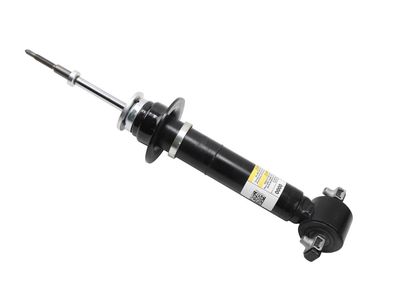
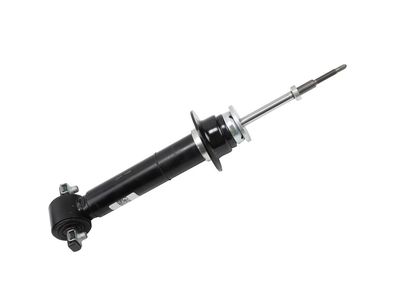
GMC Strut
Part Number: 84043205$70.20 MSRP: $193.75You Save: $123.55 (64%)Ships in 1-2 Business DaysProduct Specifications- Other Name: Absorber, Front And Rear Suspension; Strut
- Position: Front
- Replaced by: 85669700
- Product Specifications
- Other Name: Absorber, Shock Absorber Air Lift; Shock, Shock Absorber
- Replaced by: 85669836
- Replaces: 84082044
GMC Shock Absorber
Part Number: 86787493$151.82 MSRP: $286.47You Save: $134.65 (47%)Ships in 1-2 Business DaysProduct Specifications- Other Name: Absorber, Shock Absorber Air Lift; Shock, Shock Absorber
- Replaced by: 85669838
- Replaces: 84082045
GMC Shock Absorber
Part Number: 84082040$50.99 MSRP: $140.77You Save: $89.78 (64%)Ships in 1-2 Business DaysProduct Specifications- Other Name: Absorber, Front And Rear Suspension; Shock, Shock Absorber
- Position: Rear
- Replaced by: 85669828
GMC Shock Absorber
Part Number: 84043209$99.40 MSRP: $193.75You Save: $94.35 (49%)Ships in 1-2 Business DaysProduct Specifications- Other Name: Absorber, Front And Rear Suspension; Shock Absorber, Strut
- Position: Front
- Replaced by: 85669707
GMC Strut
Part Number: 84059852$216.46 MSRP: $421.96You Save: $205.50 (49%)Ships in 1-2 Business DaysProduct Specifications- Other Name: Absorber, Front And Rear Suspension; Strut
- Position: Front
- Replaced by: 85669728
GMC Strut
Part Number: 23172263$84.41 MSRP: $233.00You Save: $148.59 (64%)Ships in 1-2 Business DaysProduct Specifications- Other Name: Absorber, Front And Rear Suspension; Strut
- Position: Front
- Replaced by: 85669604
GMC Shock Absorber
Part Number: 84082042$67.50 MSRP: $131.59You Save: $64.09 (49%)Ships in 1-2 Business DaysProduct Specifications- Other Name: Absorber, Front And Rear Suspension; Shock, Shock Absorber
- Position: Rear
- Replaced by: 85669832
- Product Specifications
- Other Name: Absorber, Front And Rear Suspension; Strut
- Position: Front
- Replaced by: 85669681
- Product Specifications
- Other Name: Absorber, Front And Rear Suspension; Strut
- Position: Front
- Replaced by: 85669654
GMC Shock Absorber
Part Number: 23130121$288.16 MSRP: $561.72You Save: $273.56 (49%)Ships in 1-2 Business DaysProduct Specifications- Other Name: Absorber, Front And Rear Suspension; Shock Absorber, Strut
- Position: Front
- Replaced by: 19436183
GMC Strut
Part Number: 84043180$62.28 MSRP: $171.95You Save: $109.67 (64%)Ships in 1-2 Business DaysProduct Specifications- Other Name: Absorber, Front And Rear Suspension; Strut
- Position: Front
| Page 1 of 38 |Next >
1-20 of 760 Results
GMC Shock Absorber
You're in the right place for budget-friendly OEM GMC Shock Absorbers. Our extensive catalog features genuine GMC Shock Absorbers, each backed by a manufacturer's warranty and guaranteeing superior quality, dependability, and longevity. Discover how shopping with us can save you both time and money when investing in our auto parts.
GMC Shock Absorber Parts Questions & Experts Answers
- Q:How to check Shock Absorber on GMC Terrain?A:The steering linkage and suspension components should be checked periodically. Worn or damaged suspension and steering linkage components can result in excessive and abnormal tire wear, poor ride quality and vehicle handling, and reduced fuel economy. To check the strut and shock absorber, park the vehicle on level ground, turn the engine off and set the parking brake. Check the tire pressures. Push down at one corner of the vehicle, then release it while noting the movement of the body. It should stop moving and come to rest in a level position within one or two bounces. If the vehicle continues to move up-and-down or if it fails to return to its original position, a worn or weak shock absorber is probably the reason. Repeat the above check at each of the three remaining corners of the vehicle. Raise the vehicle and support it securely on jackstands. Check the struts/shock absorbers for evidence of fluid leakage. A light film of fluid is no cause for concern. Make sure that any fluid noted is from the struts/shocks and not from some other source. If leakage is noted, replace the struts/shocks as a set. Check the struts/shocks to be sure that they are securely mounted and undamaged. Check the upper mounts for damage and wear. If damage or wear is noted, replace the struts/shocks as a set. Visually inspect the steering and suspension components for damage and distortion. Look for damaged seals, boots and bushings and leaks of any kind. Examine the bushings where the control arms meet the chassis. Clean the lower end of the steering knuckle. Have an assistant grasp the lower edge of the tire and move the wheel in-and-out while you look for movement at the steering knuckle-to-control arm balljoint. If there is any movement the balljoint must be replaced. Grasp each front tire at the front and rear edges, push in at the front, pull out at the rear and feel for play in the steering system components. If any freeplay is noted, check the tie-rod ends for looseness or wear.
Related GMC Parts


Browse by Model
Acadia Shock Absorber C1500 Shock Absorber C2500 Shock Absorber C3500 Shock Absorber Canyon Shock Absorber Envoy Shock Absorber G1500 Shock Absorber G2500 Shock Absorber G3500 Shock Absorber Hummer EV Shock Absorber Jimmy Shock Absorber K1500 Shock Absorber K2500 Shock Absorber K3500 Shock Absorber P2500 Shock Absorber P3500 Shock Absorber S15 Shock Absorber Safari Shock Absorber Savana Shock Absorber Sierra Shock Absorber Sonoma Shock Absorber Suburban Shock Absorber Syclone Shock Absorber Terrain Shock Absorber Typhoon Shock Absorber Yukon Shock Absorber