
My Garage
My Account
Cart
Genuine Buick Fuel Pump
Gas Pump- Select Vehicle by Model
- Select Vehicle by VIN
Select Vehicle by Model
orMake
Model
Year
Select Vehicle by VIN
For the most accurate results, select vehicle by your VIN (Vehicle Identification Number).
107 Fuel Pumps found
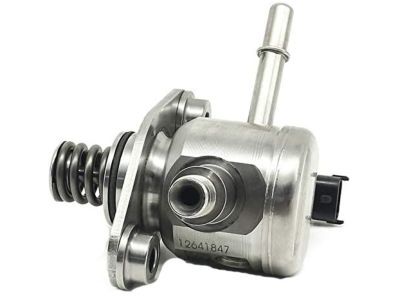
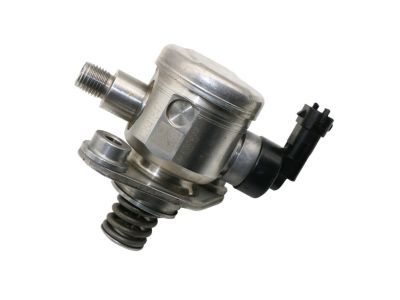
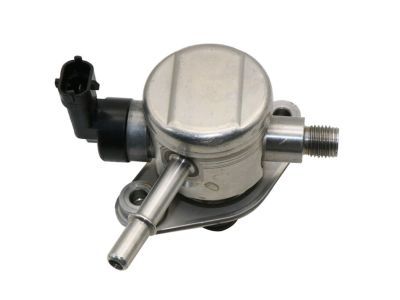
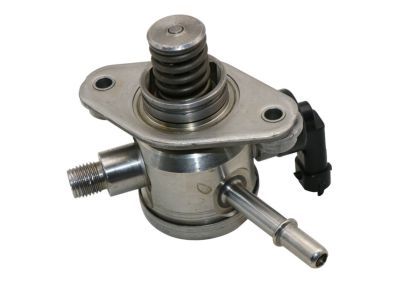
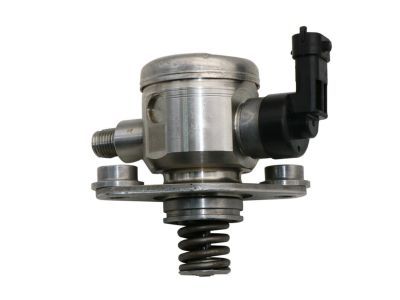
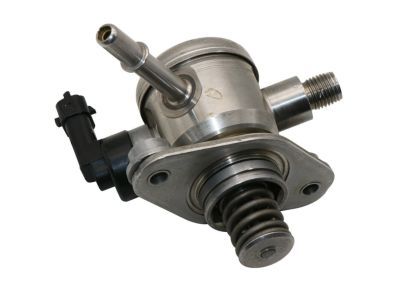
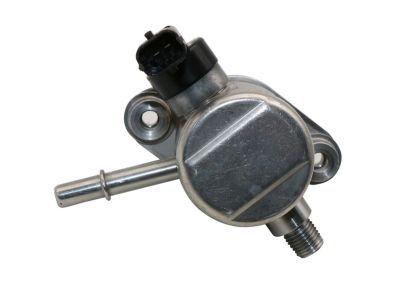
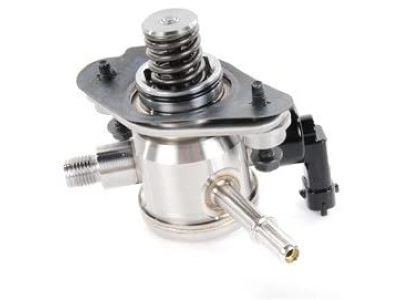
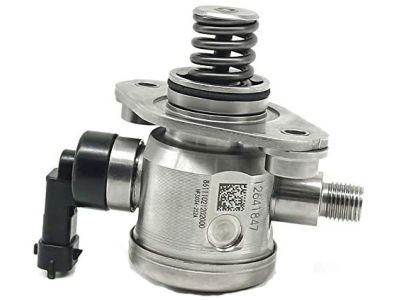
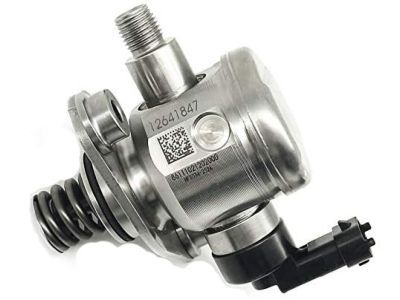
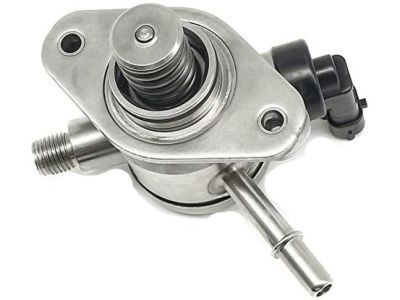
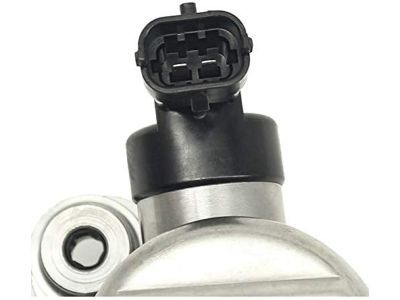
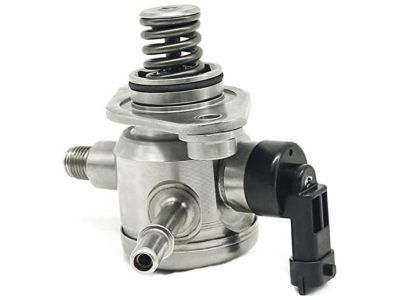
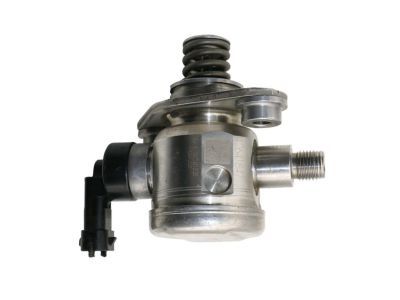
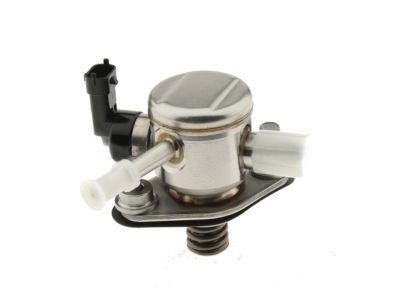
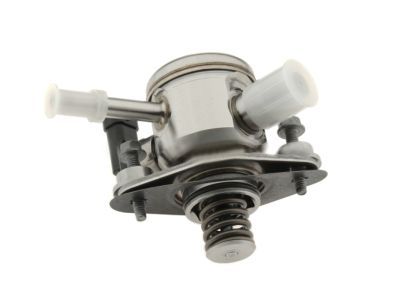
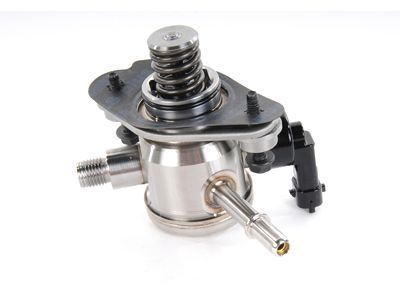
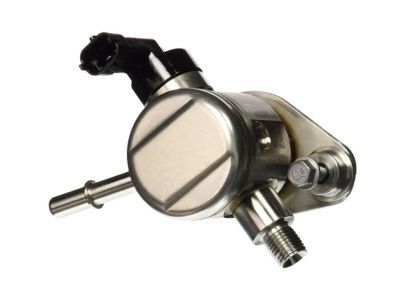
Buick Fuel Pump Assembly
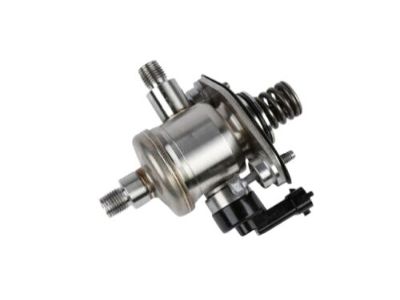
Part Number: 12641847$259.57 MSRP: $531.07You Save: $271.50 (52%)Ships in 1-2 Business DaysProduct Specifications- Other Name: Pump Assembly, Fuel ; Pump, Fuel Pump; Fuel Pump
- Replaces: 12639694, 12633423
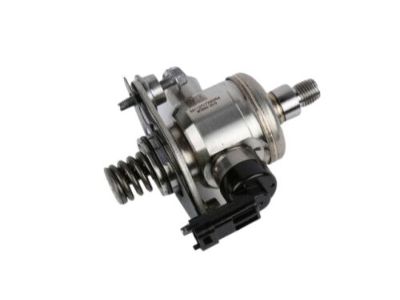
Buick Fuel Pump Assembly
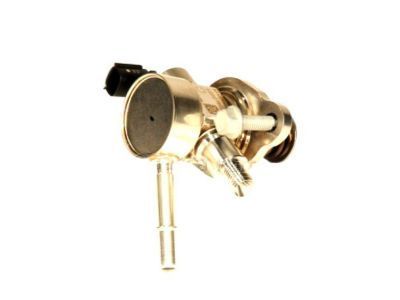
Part Number: 12691016$227.93 MSRP: $423.48You Save: $195.55 (47%)Ships in 1-2 Business DaysProduct Specifications- Other Name: Pump Assembly, Fuel; Fuel Pump
- Replaces: 12633594, 12677329, 12669005, 12733943, 12677328, 12641740, 12622475
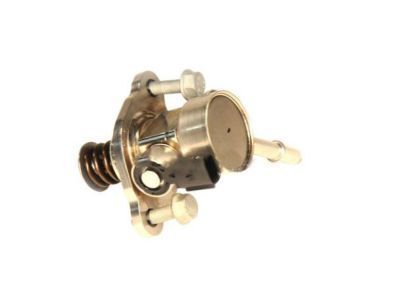
Buick Fuel Pump Assembly
Part Number: 12682079$180.16 MSRP: $368.61You Save: $188.45 (52%)Ships in 1-2 Business DaysProduct Specifications- Other Name: Pump Assembly, Fuel; Fuel Pump
- Replaces: 12673450, 12649461
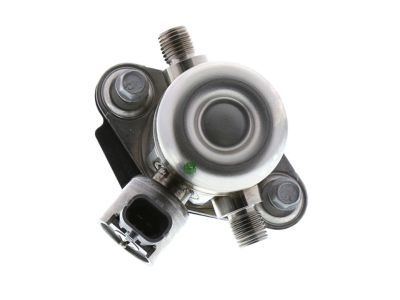
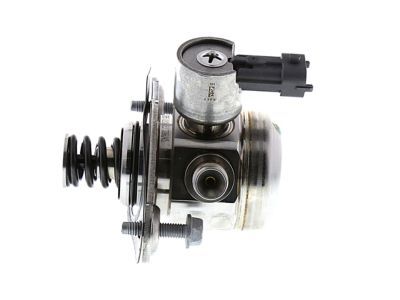
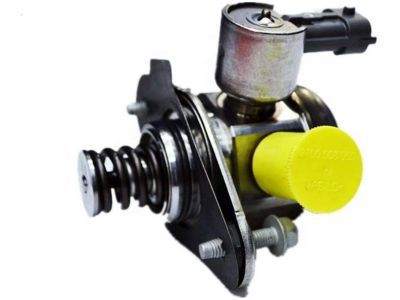
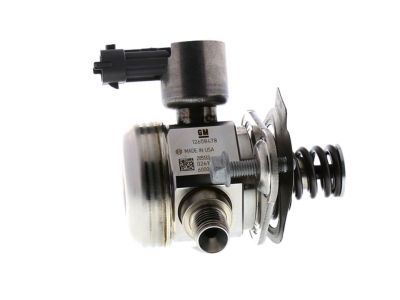
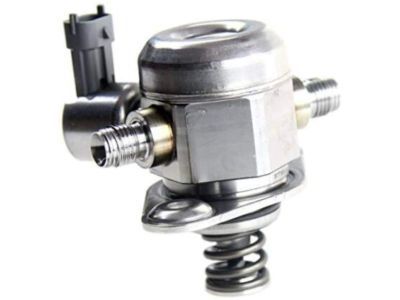
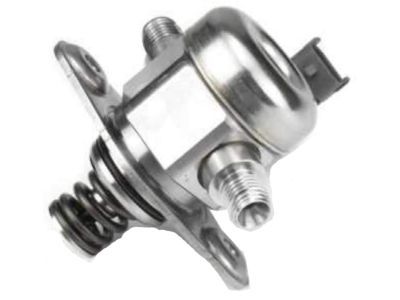
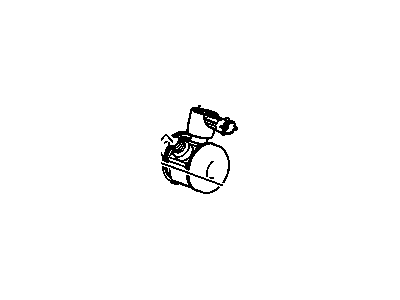
Buick Fuel Pump Assembly
Part Number: 12658478$625.89 MSRP: $1291.84You Save: $665.95 (52%)Ships in 1-2 Business DaysProduct Specifications- Other Name: Pump Assembly, Fuel; Fuel Pump
- Replaces: 12629135, 12589448, 12625764, 12614737, 12646884, 12676655
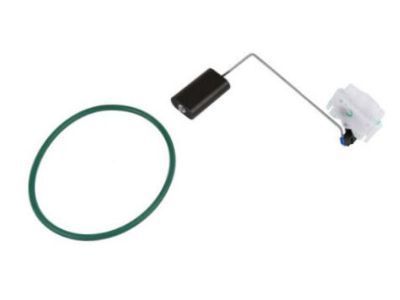
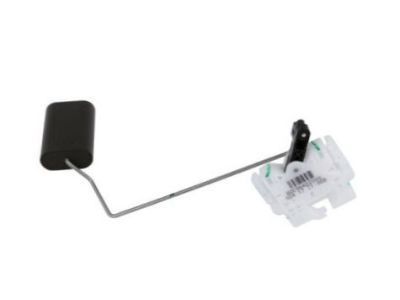
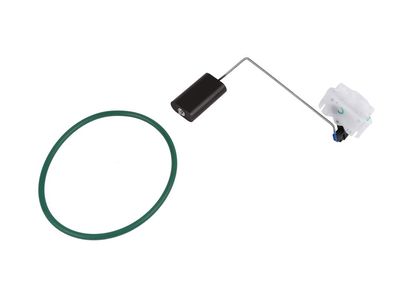
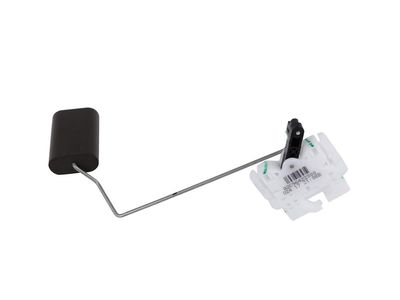
Buick Fuel Level Sensor Assembly
Part Number: 13512503$45.11 MSRP: $126.07You Save: $80.96 (65%)Ships in 1-2 Business DaysProduct Specifications- Other Name: Sensor Assembly, Fuel Level; Fuel Gauge Sending Unit, Level Sensor
- Replaced by: 19541082
- Replaces: 19208886, 13505180, 13581648
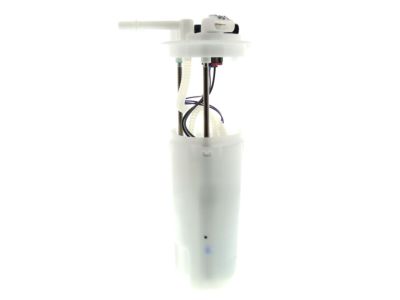
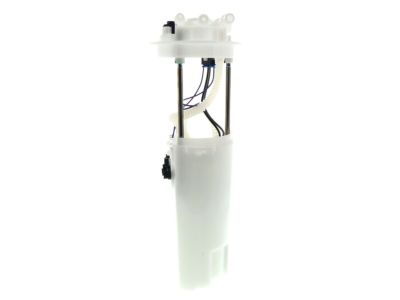
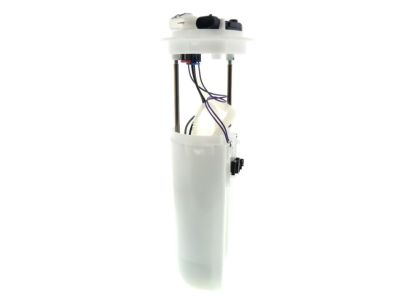
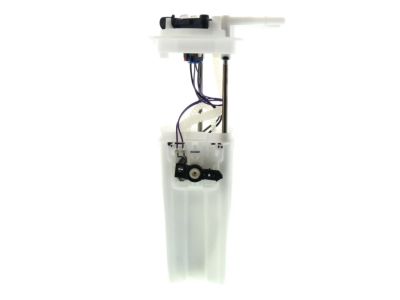
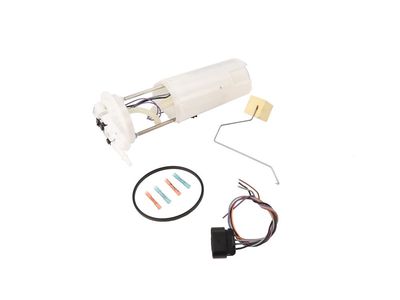
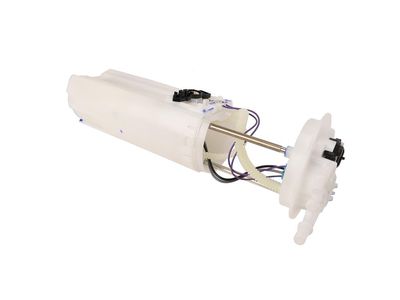
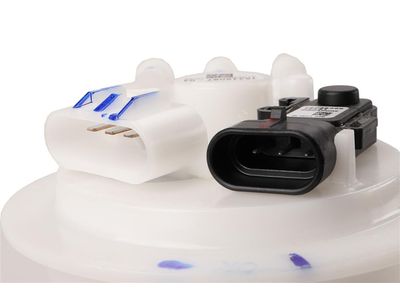
Buick Fuel Tank Fuel Pump Module Kit
Part Number: 19369903$272.49 MSRP: $514.14You Save: $241.65 (47%)Ships in 1-2 Business DaysProduct Specifications- Other Name: MODULE KIT,F/TNK F/PMP; Fuel Pump, Fuel Pump Assembly
- Replaced by: 19540752
- Replaces: 19180117, 25349620, 19331254, 88963648, 88963640, 25349626
 Product Specifications
- Other Name: Pump Assembly, Fuel; Fuel Pump
- Replaced by: 28290014
Buick Fuel Pump Assembly
Part Number: 12691088$191.89 MSRP: $392.61You Save: $200.72 (52%)Ships in 1-2 Business DaysProduct Specifications- Other Name: Pump Assembly, Fuel; Fuel Pump
- Replaces: 12733944, 12647366, 12673750, 12673141
Buick Fuel Tank Fuel Pump Module Kit
Part Number: 19369904$294.09 MSRP: $606.98You Save: $312.89 (52%)Ships in 1-2 Business DaysProduct Specifications- Other Name: MODULE KIT,F/TNK F/PMP; Fuel Pump, Fuel Pump Assembly, Sending Unit
- Replaced by: 19540753
- Replaces: 19180115, 25335916, 25361858, 25330718, 25322892, 25330716, 88963641, 88963646, 19331255, 25177436, 25335915, 25335917, 25335956, 25326334, 25335955, 25322893, 25361862, 88963644, 25177438, 25326332, 25335914
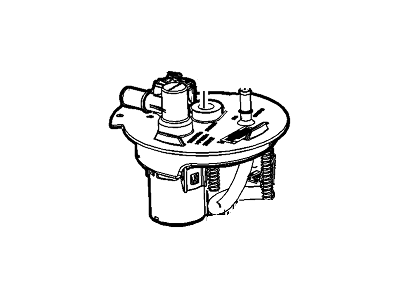
Buick Fuel Tank Fuel Pump Module Kit Without Fuel Level Sensor
Part Number: 13510671$161.25 MSRP: $316.59You Save: $155.34 (50%)Ships in 1-2 Business DaysProduct Specifications- Other Name: Module Kit, F/Tnk F/Pmp (W/O Fuel Lvl Se); Fuel Pump, Fuel Pump Assembly
- Replaced by: 19541118
- Replaces: 13579908
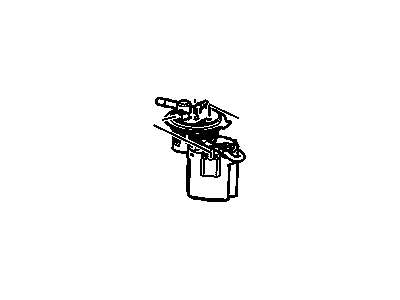
Buick Fuel Tank Fuel Pump Module KIT (W/O Fuel Lvl Sen)
Part Number: 19370465$482.71 MSRP: $996.30You Save: $513.59 (52%)Ships in 1-2 Business DaysProduct Specifications- Other Name: Module Kit,F/Tnk F/Pmp (W/O Fuel Lvl Sen); Fuel Pump, Fuel Pump Assembly
- Replaces: 22783658, 19181841, 19207494, 22957143, 22833390
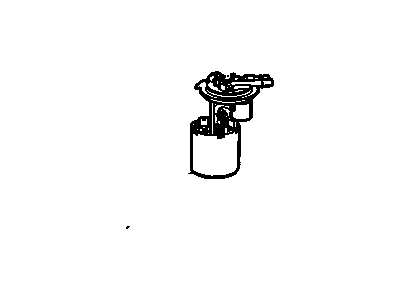
Buick Fuel Tank Fuel Pump Module Kit Without Fuel Level Sensor
Part Number: 23120356$336.32 MSRP: $634.57You Save: $298.25 (47%)Ships in 1-2 Business DaysProduct Specifications- Other Name: Module Kit, Fuel Tank Fuel Pump (W/O Fuel Level Sensor); Fuel Pump, Fuel Pump Assembly
- Replaces: 19177198, 19179758, 19257907
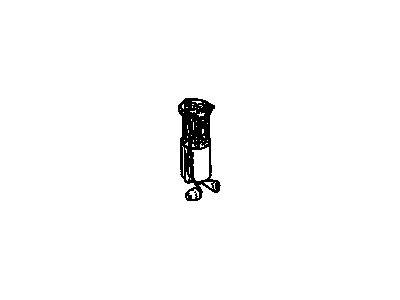
Buick Fuel Tank Fuel Pump Module Kit
Part Number: 19369899$313.12 MSRP: $646.27You Save: $333.15 (52%)Ships in 1-2 Business DaysProduct Specifications- Other Name: MODULE KIT,F/TNK F/PMP; Fuel Pump, Fuel Pump Assembly
- Replaces: 19331250, 25326335, 25335918, 88963645, 88963643, 25361860, 25330717, 19180114
Buick Fuel Tank Fuel Pump Module Kit (Without Fuel Level Se)
Part Number: 13578374$183.87 MSRP: $346.92You Save: $163.05 (47%)Ships in 1-2 Business DaysProduct Specifications- Other Name: Module Kit, Fuel Tank Fuel Pump (W/O Fuel Level Se); Fuel Pump
- Replaced by: 19541041
- Replaces: 13505208, 13505206
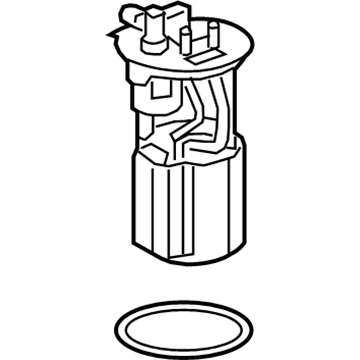
Buick Fuel Tank Fuel Pump Module Kit Without Fuel Level Sensor
Part Number: 13516849$273.92 MSRP: $814.36You Save: $540.44 (67%)Ships in 1-2 Business DaysProduct Specifications- Other Name: Module Kit, F/Tnk F/Pmp (W/O Fuel Lvl Sen); Fuel Pump
- Replaced by: 19540616
- Replaces: 13592490, 13579895
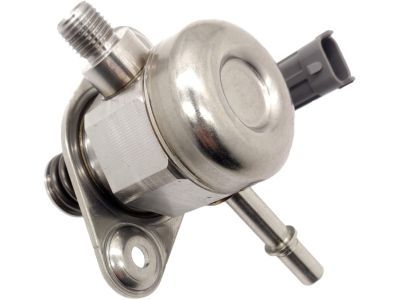
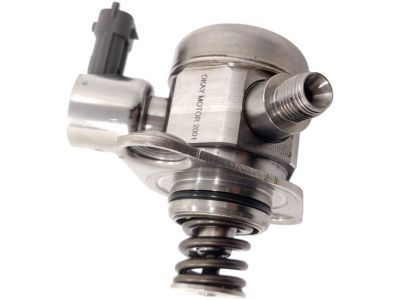
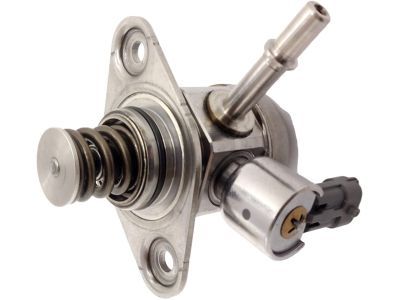
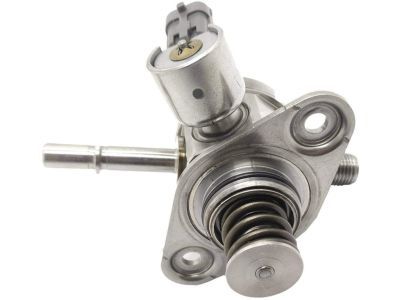
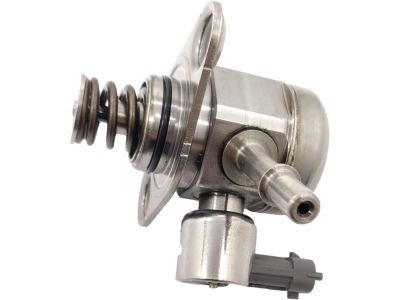
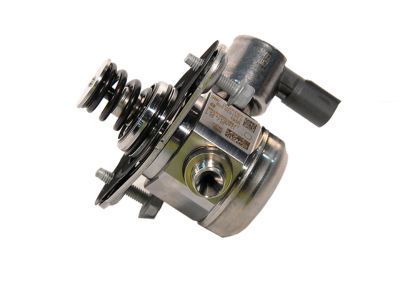
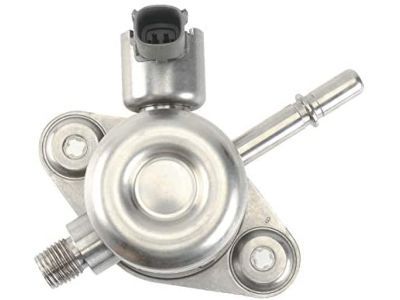
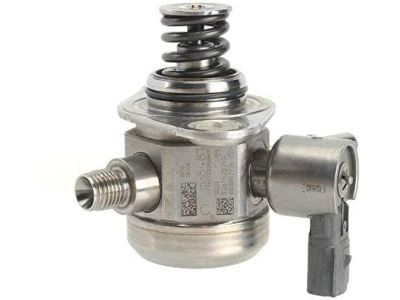
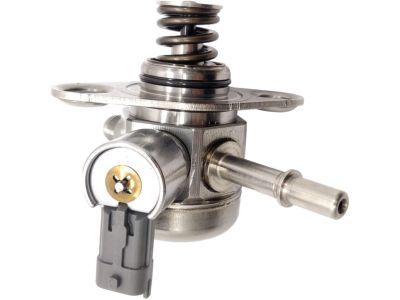
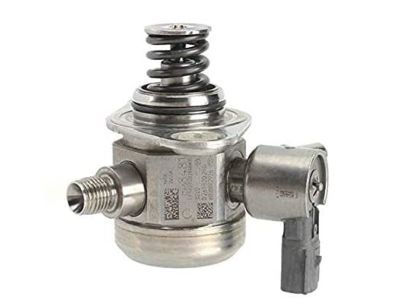
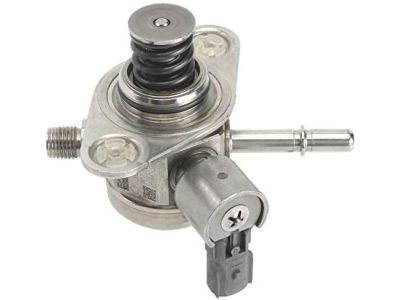
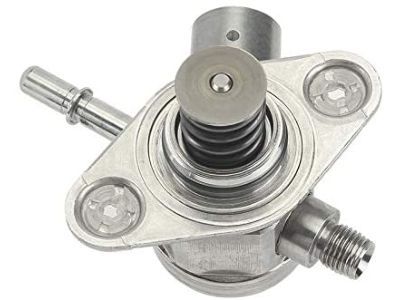
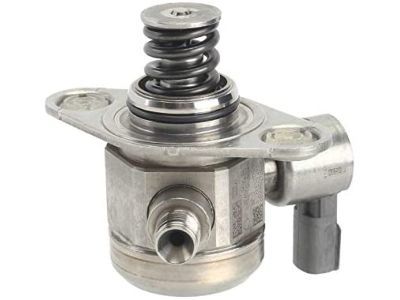
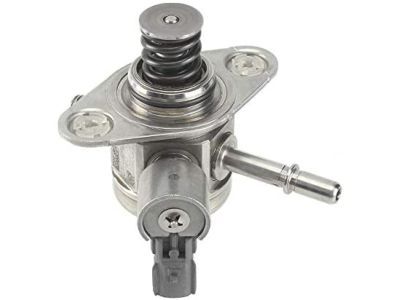
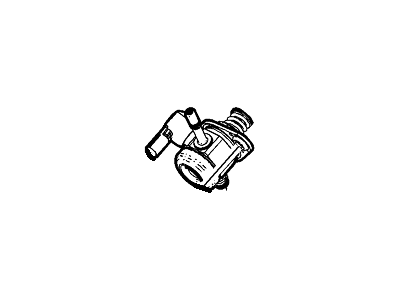 Product Specifications
- Other Name: Pump Assembly, Fuel; Fuel Pump
- Replaces: 12651170, 12676415
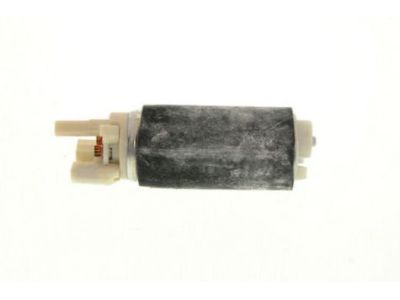
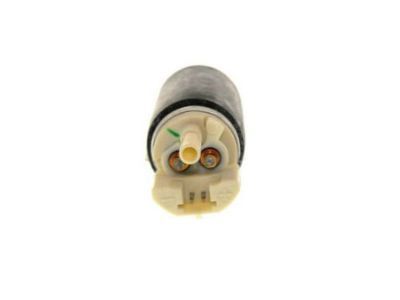
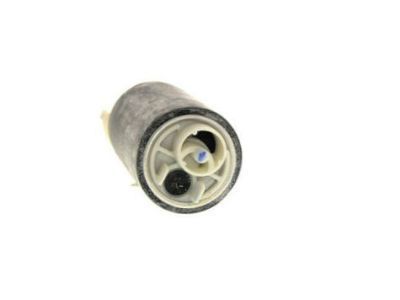
 Product Specifications
- Other Name: Pump,Fuel
- Replaces: 25163470, 25116167, 25163471
 Product Specifications
- Other Name: Fuel Pump, Fuel Pump Assembly, Sending Unit
- Replaces: 19153374, 88967148, 88967149
 Product Specifications
- Other Name: Pump, Electric Intank ; Pump, Fuel Pump; Fuel Pump
- Replaces: 25115466, 25116156
 Product Specifications
- Other Name: Pump Asm,Fuel ; Pump, Fuel Pump; Fuel Pump
- Replaces: 25117380
| Page 1 of 6 |Next >
1-20 of 107 Results
Buick Fuel Pump
Our platform hosts an impressive inventory of OEM Buick Fuel Pumps. Just to let you know, all our genuine Buick Fuel Pumps are backed by the manufacturer's warranty and are offered at unbeatable prices. Enjoy a smooth shopping experience with our easy return policy and fast delivery service.
Buick Fuel Pump Parts Questions & Experts Answers
- Q:How to remove and install a diesel injection fuel pump on Buick Century?A:First of all, you need to open the lid of the engine and take out the air cleaner and having turned off the negative terminal of the battery. Disconnect the pump electrical connector by pulling the retention clip then removing the connector and finally, unscrew of the 3/4 in. wrench to fasten the inlet fitting during the unscrewing of the inlet tube with a size of 5/8 inches. wrench. Remove the outlet tube. For installation first unscrew the dust plugs provided in the inlet and outlet of the pump. Screw down the pump and bracket assembly onto the position on the engine using the mounts bolts to 18 ft lbs torque. (24 Nm). Ford in particular recommends that you compact the inlet and outlet fuel lines to a torque of 19 ft. lbs (26 Nm). In case of the need, change the position of the pump by slightly unscrewing the top bracket screw and rotating the pump. Connect the negative battery cable back again. After replacing the pump unscrew the fuel line at the filter, connect the ignition 'ON' and release fuel lines. Even if only a clicking sound can be heard from the pump, or air bubbles in the fuel, examine or the line for leaks and all joints should be dried. After that turning sound is gone, draw the line in more tightly.
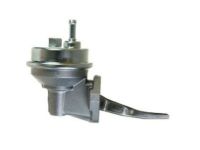
- Q:What type of fuel pumps are used on all carbureted engines, and how do they operate on Buick Regal?A:For every carbureted engine, there's a single-action mechanical fuel pump built with a small spring to hold the rocker arm against an always-moving camshaft eccentric. When the rocker arm goes up, fuel links pull down the diaphragm. This action widens the fuel chamber and sucks fuel from the tank. Fuel moves to the carburetor when line pressure drops below what the spring holds inside the diaphragm. The fuel pumps on Regal models come sealed and must get replaced when they stop working correctly. To take out the mechanical fuel pump, find it, detach the fuel hoses, remove the holding bolts, and throw away the seal. Before placing the new pump and gasket on the engine, remove all gasket material from its contacts, and once the engine starts, double-check for fuel leaks as the fuel lines are connected again. Before checking the pump, test between the fuel tank and the pump on one side and from the pump to the carburetor on the other side. Pressure leak shows at fuel spilling, but suction leak only becomes obvious when the engine stops. Check and tighten any weak parts in the fuel system, while making sure your tubes are smooth and straight. After unplugging the fuel pump from the carburetor, turn the engine by hand. If no or little fuel comes through, you may need to clear debris from the fuel pipe or replace the pump. Run the engine between 450 and 1,000 rpm. When the fuel flows properly, check the fuel pressure with a gauge. If the gauge shows fuel pressure that meets spec limits, leave the pump; but swap it if not.
Related Buick Parts
 Buick Throttle Body
 Buick Fuel Tank
 Buick Fuel Injector
 Buick Throttle Cable
 Buick Fuel Rail
 Buick Fuel Injector O-Ring
 Buick Vacuum Pump
 Buick Throttle Body Gasket
Browse by Model
Allure Fuel Pump Cascada Fuel Pump Century Fuel Pump Electra Fuel Pump Enclave Fuel Pump Encore Fuel Pump Encore GX Fuel Pump Envision Fuel Pump Envista Fuel Pump Estate Wagon Fuel Pump LaCrosse Fuel Pump Lesabre Fuel Pump Lucerne Fuel Pump Park Avenue Fuel Pump Rainier Fuel Pump Reatta Fuel Pump Regal Fuel Pump Rendezvous Fuel Pump Riviera Fuel Pump Roadmaster Fuel Pump Skyhawk Fuel Pump Skylark Fuel Pump Somerset Fuel Pump Terraza Fuel Pump Verano Fuel Pump